

UK's Youth Social Media Ban: A Look at the Economic and Privacy Fallout
The UK's proposed social media ban for under-16s sparks debate over privacy risks from mandatory age verification systems. Critics warn the measures could normalize surveillance while failing to effectively keep teens off platforms.
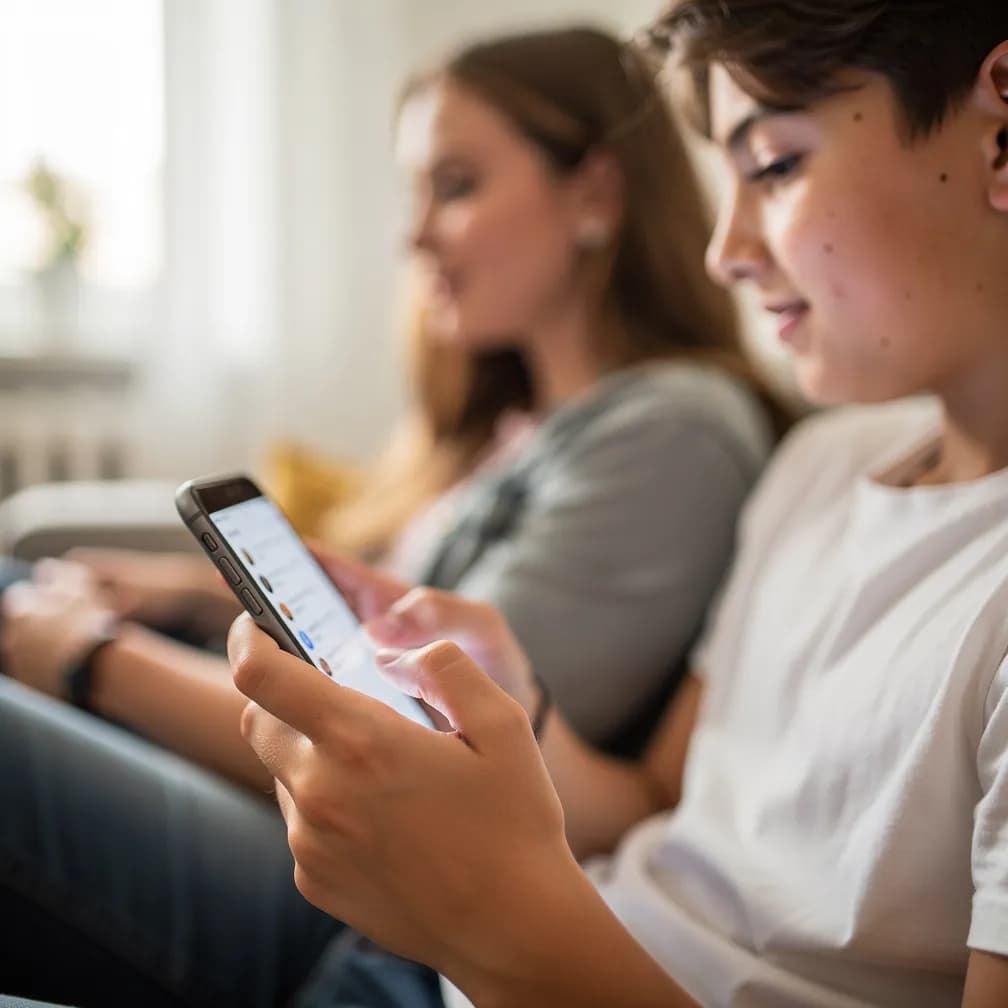
The United Kingdom (UK) government has announced a plan to ban children under 16 from major social media platforms by Spring 2027, which Prime Minister Keir Starmer claims is more advanced than any other country's efforts. While the initiative aims to protect children, critics and privacy advocates warn that the required age verification measures could create a widespread surveillance apparatus affecting all internet users in the country.
Announced on June 15, 2026, the legislation is designed to shield under-16s from cyberbullying, addictive platform features, and harmful content. The ban will apply to popular services including TikTok, Instagram, Facebook, X, YouTube, and Snapchat. However, it will not cover messaging apps like WhatsApp and Signal or educational platforms such as YouTube Kids.
Beyond the social media ban, the government will also mandate world-leading blocks on certain online features for users under 16, including livestreaming and communication with strangers in gaming environments. For 16- and 17-year-olds, these features will be switched off by default. Additionally, access to AI romantic companion chatbots will be restricted to individuals aged 18 and over.
Economic Fallout and Lessons from Australia

The proposed ban is expected to have a significant economic impact. Analysts at eMarketer have already revised their 2027 forecast for UK digital advertising spend, cutting it by £1.3 billion in anticipation of advertisers losing access to the under-16 demographic.
This spending is predicted to shift towards streaming services with advertising tiers, such as Netflix, Amazon Prime Video, and Disney+, as brands seek to reach teenage audiences on those platforms.
The UK's strategy follows a similar ban implemented in Australia in December 2025, where early results highlight major enforcement challenges. Polling from Australia indicates that 61% of 12-15 year-olds who had social media accounts before the ban still access one or more platforms.
A majority of these users reported that the platforms took no action to deactivate their accounts, including 64% of YouTube users and 60% of Instagram and TikTok users. This raises concerns that a blanket ban in the UK may be difficult to enforce and could push determined teens toward less regulated and potentially riskier online spaces.
The Privacy vs. Protection Debate

The central point of contention is the method of robust age verification. Digital rights organizations, including Amnesty International, agree with the government's assessment of online harms but criticize the ban as a flawed solution. They argue that forcing all users to prove their age to access major websites could establish an unprecedented national identity checkpoint that compromises the privacy of the entire population.
Proposed verification methods, such as uploading government ID or using facial age estimation, would require tech companies to collect sensitive biometric data.
Social media companies like YouTube and Meta have also expressed concern, suggesting a ban could be counterproductive. They argue it might push kids out of such curated, supervised, beneficial experiences and towards anonymous, less-safe services that lack parental controls.
The scientific basis for the ban is also under scrutiny. Some brain experts, including Professor Denis Mareschal and Professor Sarah-Jayne Blakemore, state there is very little conclusive scientific evidence showing a causal link between social media use and harm to children's brains, noting that most existing research is correlational.
While a government consultation found that 9 out of 10 parents support the measure and two-thirds of young people agree that under-16s should not use at least some social media, critics stress the positive aspects of these platforms. For many young people, particularly those in vulnerable groups like LGBTQ+ youth or individuals with communication disabilities, social media can be a vital space for learning, finding support, and self-expression.
Enforcement and the Road Ahead
The legislation, which is expected to pass before Christmas 2026, places the responsibility for compliance on technology companies, not individual users. Platforms that fail to implement robust age verification systems could face severe penalties, including fines of up to 10% of their global annual revenue.
The UK's communications regulator, Ofcom, has been tasked with the critical job of defining what constitutes robust age verification. The success of this policy will depend on whether these technical standards can protect children without compromising the privacy of all citizens.
Sources77 · open list
- jurist.org
- spokesman.com
- kunc.org
- wsgr.com
- cbsnews.com
- www.gov.uk
- www.gov.uk
- time.com
- edweek.org
- aljazeera.com
- iapp.org
- birminghammail.co.uk
- indianexpress.com
- gpb.org
- washingtonpost.com
- theguardian.com
- defenddigitalme.org
- ox.ac.uk
- shootonline.com
- europeanconservative.com
- northeastern.edu
- pbs.org
- iptechblog.com
- gblock.app
- eff.org
- citystgeorges.ac.uk
- sciencemediacentre.org
- darkreading.com
- amnesty.org
- substack.com
- forbes.com
- theguardian.com
- wxxinews.org
- www.gov.uk
- jurist.org
- iapp.org
- cbsnews.com
- macrumors.com
- nchstats.com
- cbc.ca
- techrepublic.com
- cam.ac.uk
- amh.org.uk
- iclg.com
- cityam.com
- indiatimes.com
- independent.co.uk
- time.com
- www.gov.uk
- yougov.com
- sciencemediacentre.org
- theguardian.com
- ox.ac.uk
- northeastern.edu
- theguardian.com
- osmaniyetb.org.tr
- smartphonefreechildhood.org
- wral.com
- clydeco.com
- globalbankingandfinance.com
- oecd.org
- statista.com
- axios.com
- ietf.org
- wikipedia.org
- nih.gov
- centreformentalhealth.org.uk
- pbs.org
- cepa.org
- techradar.com
- knightcolumbia.org
- historians.org
- columbia.edu
- scholasticahq.com
- forrester.com
- edge-creative.com
- thedailyinfluence.co
Related

Meta's new aI-Powered facebook creator studio: tools for creators
Meta's revamped Facebook Creator Studio introduces AI-powered tools to help creators streamline content planning and engagement. The standalone app aims to compete with rivals by offering personalized AI assistance and integrated monetization features.

Twitch's new certification: A sponsorship advantage or just more questions?
Twitch's new Creator Sponsorship Certification offers streamers early access to campaigns but raises concerns about its effectiveness and fairness. The program aims to professionalize creators but leaves questions about discoverability and real-world impact unanswered.

Beyond the View Count: The Professionalization of the Modern YouTube Creator
Top YouTube creators like MrBeast and Colin & Samir now run full-scale media businesses with teams, multiple revenue streams, and IP development. YouTube supports this shift with monetization tools, as channels earning six figures grew 35% in 2025.