

Why a Fox-Roku Deal Signals a New Era of Streaming Consolidation
A hypothetical $22 billion acquisition of Roku by Fox, analyzed in a post by Patrik Wilkens, illustrates a fundamental shift in the media landscape.
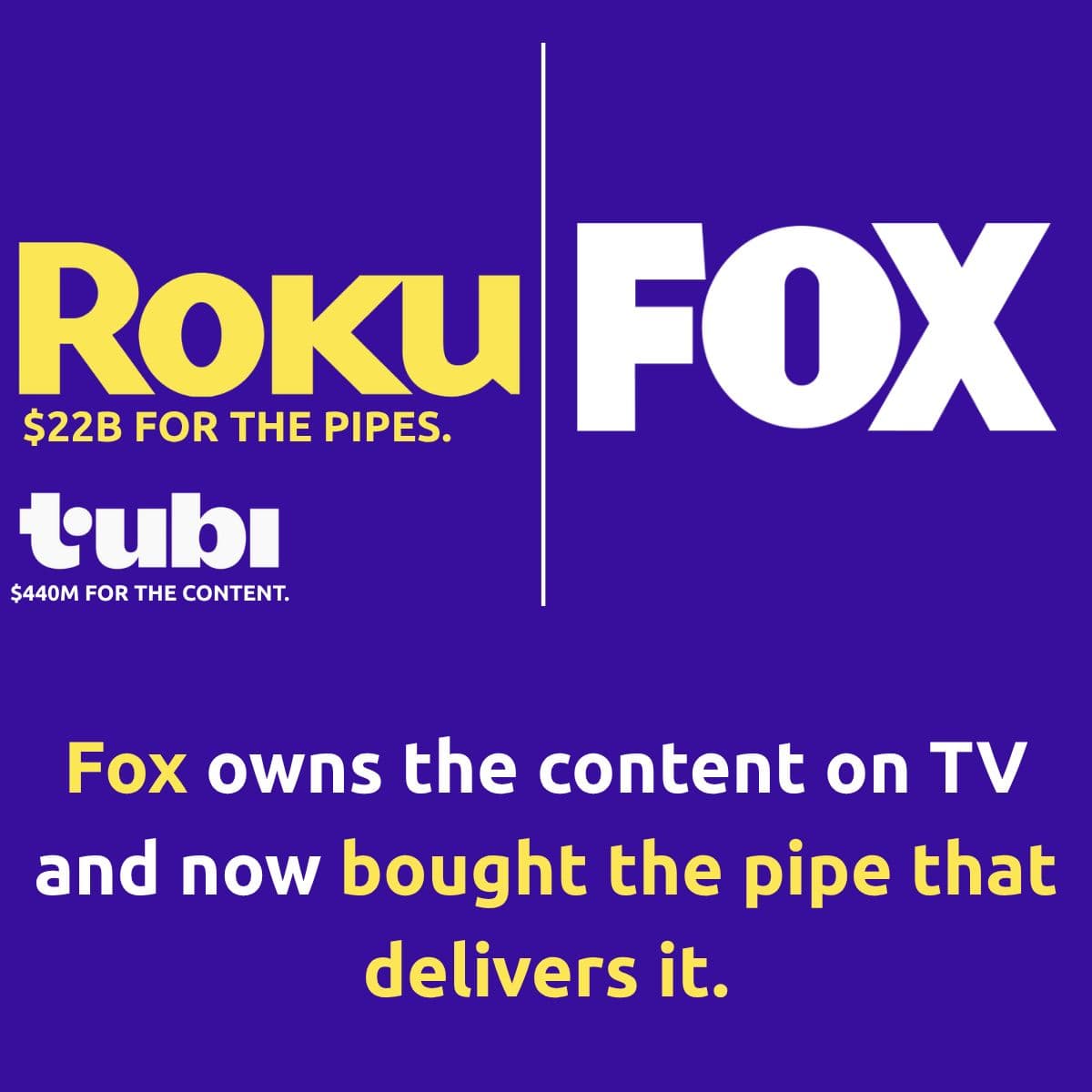
Source image: LinkedIn (Patrik Wilkens Cannes Lions)
A hypothetical $22 billion acquisition of Roku by Fox, analyzed in a post by Patrik Wilkens, illustrates a fundamental shift in the media landscape. A year ago, Wilkens predicted Amazon would be the one to purchase Roku. While he notes he "had the right deal and the wrong buyer," the change in acquirer from a tech giant to a content company signals the end of one phase of the streaming wars and the beginning of another, more aggressive one focused on distribution.
Content Buys Distribution to Stop Renting
The strategic difference between a potential Amazon acquisition and a Fox one is critical. According to Wilkens' analysis, an Amazon purchase would have been a case of a "tech giant grabbing more pipes." In contrast, Fox buying Roku is a "content company buying distribution so it can stop renting it."
This distinction is crucial for understanding Fox's motivation. The company's core assets are live news and sports—what Wilkens describes as "the most perishable content there is." Fox owns this valuable content but has historically relied on renting every distribution route to reach viewers.
With cord-cutting accelerating and weakening its leverage every year, the move to acquire Roku represents a strategic pivot from renting access to owning the entire pipeline.
The High Price of Owning the Pipes
The valuation of Fox's recent moves underscores where the company sees the most value. Fox previously paid $440 million for Tubi, a content application. In this hypothetical deal, it is paying $22 billion for Roku—a price fifty times higher.
This massive difference in investment highlights a clear strategy: while content is important, owning the "pipes underneath it" is where the real power and long-term control lie.
By purchasing Roku, Fox would instantly own a dominant distribution platform. This move fundamentally alters the competitive dynamic. Every rival streamer that operates on the Roku platform—including major players like Disney+, Paramount+, HBO Max, Peacock, and Pluto—would suddenly find themselves in a precarious position.
They would be forced to hand over a portion of their valuable ad inventory directly to a company they compete with for viewers and revenue. As Wilkens points out, in this scenario, "There's nothing they can do about it."
An Open Platform Promise Weighed Down by Debt
In the wake of such a deal, Fox has promised to keep the Roku platform "open and partner-friendly." However, the financial realities behind the acquisition cast doubt on how long that promise can last. The deal is reportedly financed with $12 billion in new debt. Wilkens notes that while the promise of an open platform is "free today," it will get "expensive" once that massive debt needs servicing.
The analysis suggests that the most straightforward and "cheapest way to service" the debt is to increase the fees charged to partners using the platform—or, as Wilkens puts it, to "raise the rake on everyone riding the platform." This creates a ticking clock on Fox's "partner-friendly" stance, with the financial pressure of its debt likely to override any initial promises of neutrality. The central question becomes how long rivals can trust the platform before the owner begins to favor its own content and extract more value from competitors.
This move does not exist in a vacuum. It comes just four days after the Department of Justice (DOJ) reportedly cleared the massive $110 billion merger between Paramount and Warner Bros. Discovery.
The trend is clear: consolidation is rampant, and the focus has shifted. As Wilkens concludes, "Every major content owner is now buying or building the distribution layer at the same time." This strategic imperative to control both content and distribution marks a definitive end to the streaming wars as they were once known, ushering in a new and more challenging era for creators and media companies alike.
Related

Meta's new aI-Powered facebook creator studio: tools for creators
Meta's revamped Facebook Creator Studio introduces AI-powered tools to help creators streamline content planning and engagement. The standalone app aims to compete with rivals by offering personalized AI assistance and integrated monetization features.
Twitch's new certification: A sponsorship advantage or just more questions?
Twitch's new Creator Sponsorship Certification offers streamers early access to campaigns but raises concerns about its effectiveness and fairness. The program aims to professionalize creators but leaves questions about discoverability and real-world impact unanswered.

Beyond the View Count: The Professionalization of the Modern YouTube Creator
Top YouTube creators like MrBeast and Colin & Samir now run full-scale media businesses with teams, multiple revenue streams, and IP development. YouTube supports this shift with monetization tools, as channels earning six figures grew 35% in 2025.