

The Creator Economy Matures: 3 Key Trends for Building a Sustainable Career
The creator economy is shifting from solo influencers to structured businesses, with creators diversifying across platforms, launching their own brands, and relying on AI tools. Platforms are competing to retain top talent as creators evolve into media companies, reshaping the in...
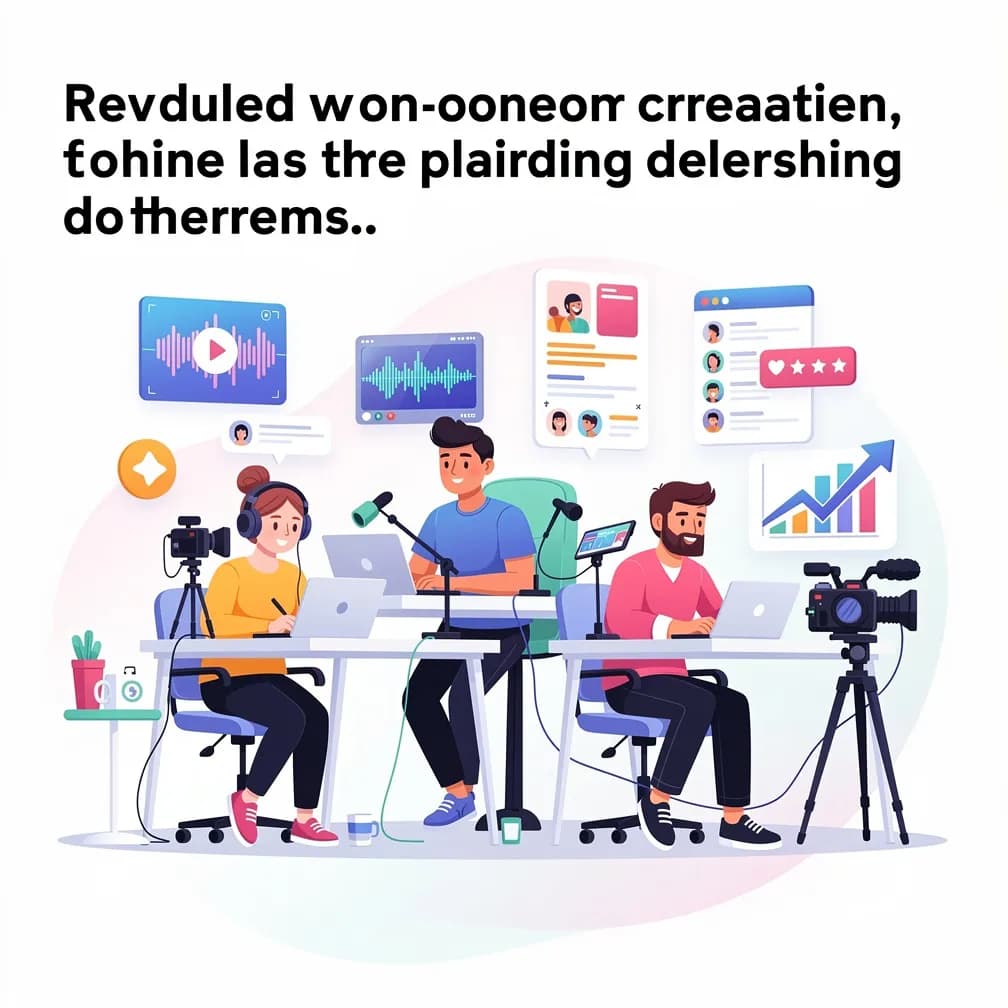
The Creator Economy's Next Phase: From Solo Acts to Media Empires
The creator economy is evolving from individual influencers into structured media businesses, with AI becoming essential infrastructure and platforms competing fiercely for creator loyalty.
What happened
Over the past 18 months, the creator economy has undergone a structural shift. Three interconnected trends define this moment:
- Platform diversification is now mandatory. Creators who once relied on a single platform—typically YouTube or Instagram—are building multi-platform presences across TikTok, YouTube Shorts, Instagram Reels, LinkedIn, and emerging text-based spaces like Threads and Bluesky. According to a 2024 survey by CreatorIQ, 73% of full-time creators now publish on at least three platforms, up from 48% in 2022.
- Creator-led brands are scaling into real companies. The most successful creators are no longer just endorsing products—they are founding and operating their own direct-to-consumer brands. Examples include Emma Chamberlain’s coffee company Chamberlain Coffee (valued at over $100 million in its 2023 funding round) and MrBeast’s Feastables, which reportedly generated $100 million in revenue in its first year. These are not influencer side hustles; they are venture-backed businesses with dedicated supply chains and marketing teams.
- AI tools have become production infrastructure. Generative AI is no longer experimental for creators. Tools like Runway for video editing, Descript for audio and transcription, and Midjourney for visual assets are embedded in daily workflows. A 2024 report from Adobe found that 62% of creators now use AI tools at least weekly, primarily for content ideation, editing, and asset generation. The shift is from “AI as novelty” to “AI as utility.”
Why it matters
These trends signal a fundamental redefinition of what it means to be a creator. The old model—build an audience, sell ads, maybe land a sponsorship—is giving way to a model where creators operate as mini media conglomerates. They manage multi-channel distribution, own product lines, and employ small teams of editors, strategists, and community managers.
At the same time, platforms are adjusting their algorithms and monetization programs to retain top talent, knowing that a creator exodus could hollow out their content ecosystems.
The stakes are high for every player in the creator economy: brands, agencies, investors, and the platforms themselves. The winners will be those who treat creators not as marketing channels but as independent business operators.
Who is involved
The transformation touches every major stakeholder:
- Creators are the primary agents, but the most strategic ones are now acting as CEOs—hiring talent managers, legal counsel, and operations leads.
- Platforms (YouTube, TikTok, Instagram, Twitch, and LinkedIn) are locked in a battle for creator loyalty. YouTube’s expanded Shopping features, TikTok’s Series monetization, and Instagram’s bonus programs are all designed to keep creators invested.
- Brands are shifting from one-off sponsorship deals to long-term equity partnerships. For example, in 2024, the sports brand Gymshark acquired a minority stake in fitness creator-led community The Squad, signaling a new model of brand-creator integration.
- Agencies and studios are consolidating. Multi-channel networks (MCNs) are being reborn as “creator studios” that offer production, distribution, and brand-building services in exchange for revenue shares or equity.
- Investors are pouring capital into creator-backed startups. According to PitchBook, venture funding for creator economy startups reached $2.3 billion in 2024, with the largest rounds going to companies that help creators manage their businesses (e.g., accounting, legal, and analytics platforms).
Creator economy angle
The core thesis—creators are becoming companies—is playing out in real time. A creator with 500,000 followers on TikTok can now generate more revenue through a branded product line than through ad revenue alone. This forces creators to think like entrepreneurs: they need to manage inventory, customer service, and intellectual property.
The ones who succeed are those who treat their content as a marketing engine for a larger business, not as the business itself.
At the same time, creator studios are becoming media groups. A studio that once managed a handful of influencers now operates like a mini Warner Bros.—developing formats, licensing content to streaming services, and launching multi-creator IP. The line between “creator” and “media company” is blurring.
Business angle
From a business perspective, the creator economy is maturing into a legitimate asset class. Brands are no longer asking “should we work with creators?” but “how do we structure a partnership that delivers measurable ROI?” The answer increasingly involves revenue-sharing models, affiliate programs, and co-ownership of content.
Meanwhile, M&A activity among creator studios is accelerating. In 2024, the studio Spotter acquired the YouTube channel network Fullscreen for an undisclosed sum, consolidating back-end operations while keeping creator relationships intact.
For investors, the opportunity lies in the infrastructure layer—companies that provide creators with tools for accounting, legal compliance, brand deal management, and AI-powered production. These B2B creator economy startups are less volatile than betting on any single creator’s success.
Olympus Tech angle
Olympus Tech, as the company behind Creators Desk, is positioned at the intersection of these trends. Its platform provides creator studios and media operators with analytics, workflow automation, and monetization tools—exactly the kind of infrastructure that becomes critical as creators scale into companies.
While this article does not require a direct Olympus Tech promotion, the alignment is natural: the same forces driving creators to professionalize are the forces that make Olympus Tech’s offerings relevant.
What to watch next
Three developments to track in the coming 12 months:
- Regulatory pressure on platform algorithms. The EU’s Digital Services Act and similar legislation in other regions could force platforms to disclose more about how they rank and monetize creator content, potentially reshaping creator-platform power dynamics.
- The rise of AI-generated creator avatars. Several startups are now offering creators the ability to license their likeness for AI-generated content—creating a new revenue stream but also raising ethical and legal questions.
- Creator-led M&A. As successful creators accumulate capital, expect them to acquire smaller creators or complementary businesses (e.g., a podcast network buying a newsletter brand) to build vertical media stacks.
- Monitor platform algorithm changes and their impact on reach
- Evaluate AI tool adoption in your own workflow
- Consider whether a creator-led brand or equity deal fits your long-term strategy
- Watch for consolidation among creator studios and agencies
The creator economy is no longer a side culture—it is a professionalized, capital-intensive sector. The creators who treat it as such will define its next decade.
Related

Lowe’s 'Creator: into the blue' program: A new retail pathway for social media innovators
Lowe’s "Creator: Into the Blue" program empowers social media creators to design and sell products through its retail pipeline. The initiative merges Lowe’s Creator Network with its product incubator, offering creators access to manufacturing and distribution resources.
Beast industries: mrBeast's expanding business empire
Beast Industries is expanding MrBeast's empire beyond content into a tech-driven creator marketplace. The company's talent acquisition and platform ambitions signal a major push into the influencer marketing economy.

Beyond promo codes: why trust and tech are driving podcast advertising's growth
U.S. podcast ad revenue surpassed $2B in 2023 as brands recognize its effectiveness due to listener-host intimacy. Host-read endorsements perform best, with mid-roll ads being most valuable, while costs range from niche shows to top podcasts like Joe Rogan’s.