

The Studio in Your Browser: How AI Video Generation Is Redefining Creator Power
# The Studio in Your Browser: How AI Video Generation Is Redefining Creator Power AI video generation has officially graduated from fascinating tech demos to a practical toolset, fundamentally altering the economics of production and empowering individual creators to operate wit...
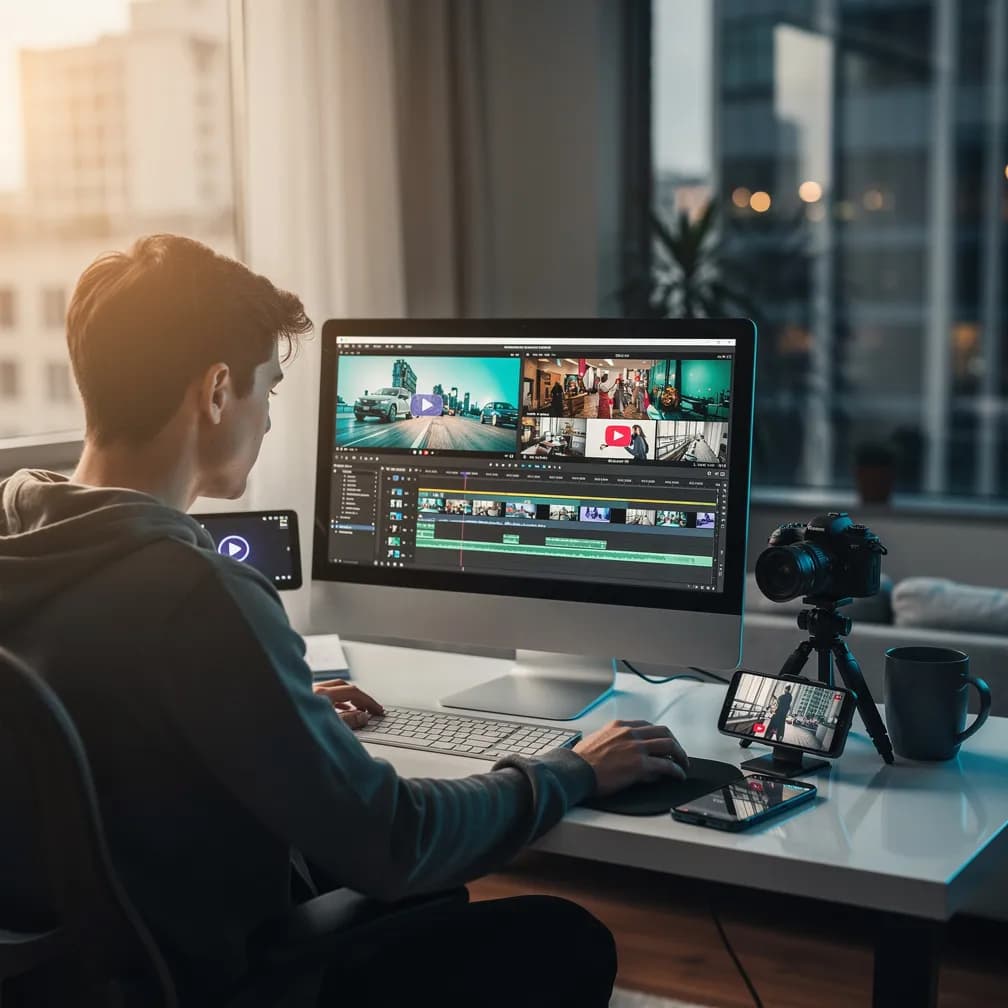
AI video generation has officially graduated from fascinating tech demos to a practical toolset, fundamentally altering the economics of production and empowering individual creators to operate with the capabilities of a full-scale studio.
What Happened: The Shift from Demo to Desktop
The theoretical promise of AI-generated video became a tangible reality for creators in 2024. While OpenAI’s Sora captured the world's imagination with its cinematic quality early in the year, its closed access kept it in the realm of spectacle. The game changed with the public release of tools like Luma Labs' Dream Machine, which put high-fidelity, text-to-video generation directly into the hands of users.
Suddenly, any creator with an idea could generate short, dynamic video clips from simple text prompts, bypassing the need for cameras, locations, or actors for certain types of content. This isn't just about one tool; it represents a broader trend of accessible AI video platforms, including Google's Veo and various features being integrated into editing software like CapCut, moving from beta testing to active use.
Why It Matters: The Great Production Equalizer
This shift matters because it radically democratizes production value. Historically, creating visually compelling, high-concept video required significant resources: budget for equipment, crews, locations, and post-production specialists. AI video generation collapses these requirements.
A creator can now produce b-roll for a documentary, visualize a complex concept for an educational video, or create a fantastical short film from their laptop. The bottleneck is no longer budget or logistics; it is purely creativity and the ability to articulate a vision through prompts.
This levels the playing field, allowing smaller creators to compete on visual fidelity that was once the exclusive domain of major studios and brands.
Who Is Involved: A New Creative Supply Chain
The ecosystem for AI video involves a new cast of characters alongside the old guard:
- AI Labs (The Foundries): Companies like OpenAI, Google, and Luma Labs are the new foundries, building the base models that power this revolution.
- Creators (The Early Adopters): A wave of creators on platforms like YouTube, TikTok, and X are acting as the vanguard, stress-testing these tools and defining the new visual language.
- Platforms (The Distributors): YouTube, TikTok, and Meta are racing to figure out how to integrate, label, and monetize AI-generated content while managing the risks of misinformation and deepfakes.
- Incumbents (The Disrupted): Stock footage companies, VFX houses, and traditional production agencies now face a direct challenge to their business models.
Creator Economy Angle: From Solo Creator to Media Mogul
This is where our thesis—creators becoming companies—comes into sharp focus. With AI as production infrastructure, a single creator can now function as a micro-studio. They can ideate a concept, "cast" AI-generated characters, "shoot" in virtual locations, and direct the entire production through prompts.
This allows for an unprecedented scaling of creative output without a corresponding increase in overhead or team size. Creator studios are no longer just teams of editors and producers; they are evolving into media groups that leverage AI to build entire worlds and franchises.
The most valuable skill is shifting from technical execution to creative direction and taste.
When the cost of production approaches zero, the only remaining scarcity is a good idea.
Business Angle: Disruption and New Revenue Streams
The business implications are profound. Brands can now commission high-concept ad creatives from solo creators at a fraction of the cost of a traditional agency. This creates a massive opportunity for creators who master these tools to offer "virtual production" services. We will see the rise of AI-first content studios that specialize in creating bespoke visuals for businesses, other creators, and even small films.
This transition also necessitates new infrastructure. As creators begin to manage vast libraries of AI-generated assets, prompts, and version histories, they will require robust systems for digital asset management. This is where platforms providing organizational infrastructure become critical, enabling the solo creator-as-company to manage their complex new workflows efficiently.
What to Watch Next: Navigating the AI Video Frontier
The immediate future will be defined by several key battlegrounds and questions. For creators, brands, and investors, the focus should be on how these dynamics play out.
- **The Platform Race:** Which social platform—YouTube, TikTok, or Instagram—will best integrate generative video tools for its creators and build the most compelling monetization model around them?
- **The Copyright Question:** As AI models are trained on existing video, the legal and ethical frameworks around copyright and ownership will be tested and redefined. Expect significant litigation and platform policy changes.
- **The Authenticity Premium:** As generated content becomes ubiquitous, will audiences place a higher premium on "real," human-shot footage? This could lead to a bifurcation of content, with both hyper-realistic AI and raw, authentic human content finding their own audiences.
- **The Hybrid Creator:** The most interesting applications may not be purely AI but a seamless blend of real-world footage and generated elements, opening up a new frontier of creative expression.
Related
Creator profile: zahra rose — tikTok and strava creator-Ambassador
Zahra Rose bridges digital fitness trends and real-world community runs as a TikTok-Strava ambassador. Her Brussels fun run exemplifies the fund's mission to transform online inspiration into offline participation.

Meta's new aI-Powered facebook creator studio: tools for creators
Meta's revamped Facebook Creator Studio introduces AI-powered tools to help creators streamline content planning and engagement. The standalone app aims to compete with rivals by offering personalized AI assistance and integrated monetization features.
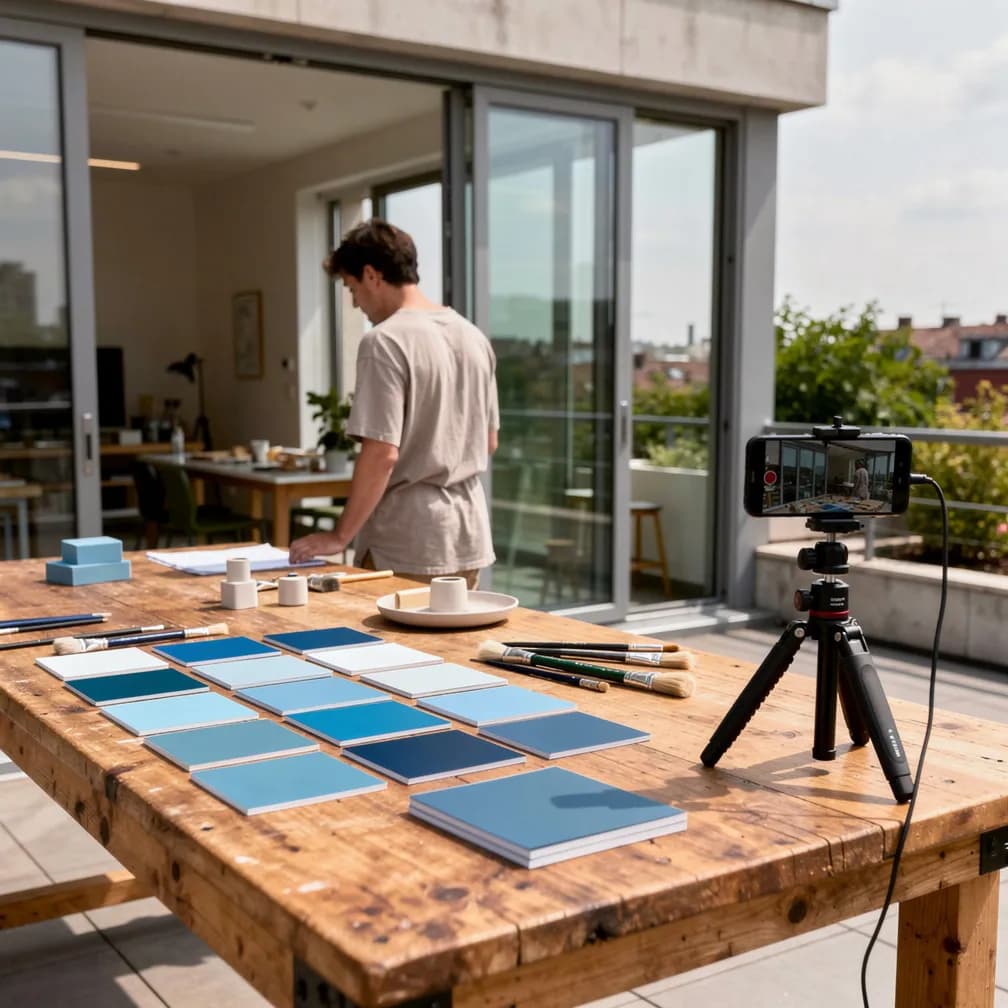
Lowe’s 'Creator: into the blue' program: A new retail pathway for social media innovators
Lowe’s "Creator: Into the Blue" program empowers social media creators to design and sell products through its retail pipeline. The initiative merges Lowe’s Creator Network with its product incubator, offering creators access to manufacturing and distribution resources.