

The Creator Economy's Midlife Crisis: Why Building a Business, Not Just an Audience, Is the Future
The creator economy is evolving into a structured industry, with top creators like MrBeast becoming CEOs, studios expanding like media conglomerates, and AI streamlining production. This shift highlights professionalism, scalability, and investment opportunities, transforming cre...
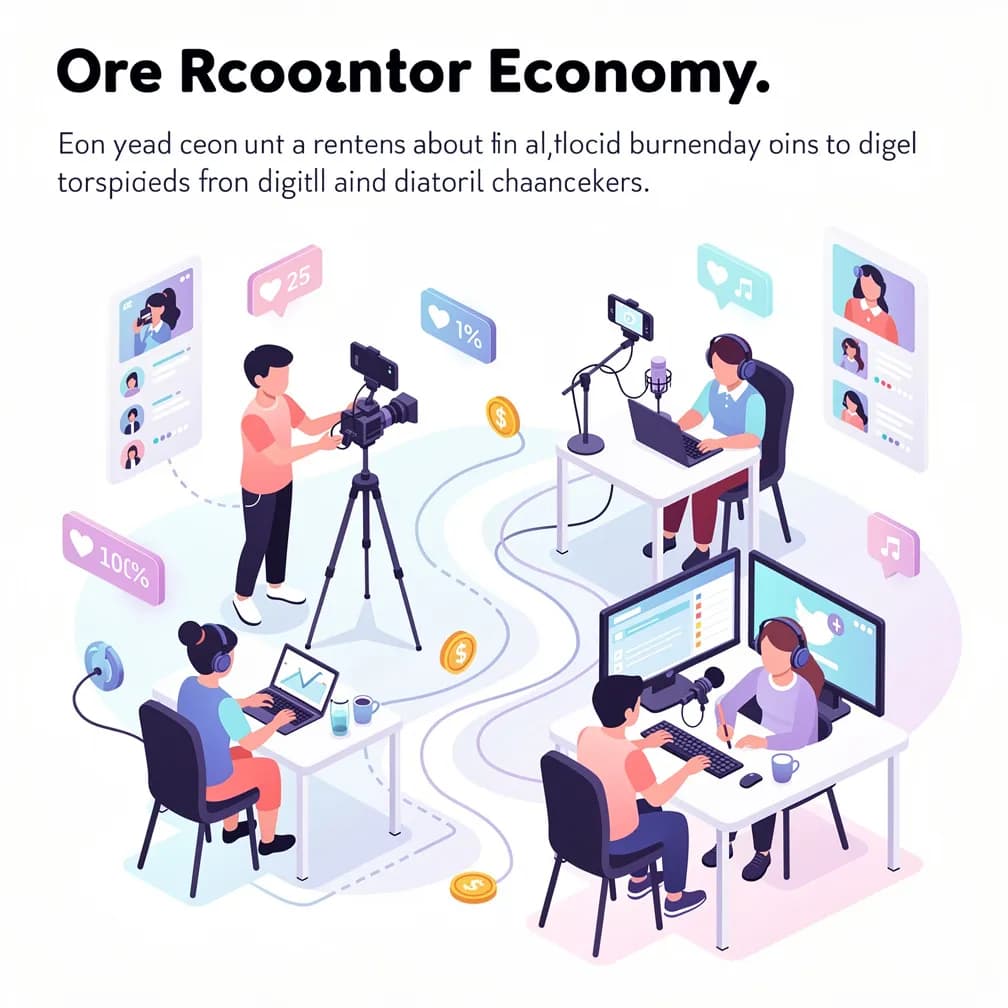
Creators Are Becoming Companies: Three Trends Defining the Next Era of the Creator Economy
The creator economy is maturing as individual creators incorporate as businesses, studios evolve into media groups, and AI becomes the foundational infrastructure for production and monetization.
What happened
Over the past year, the creator economy has moved decisively from a talent-driven ecosystem to a structurally complex industry. Creators like MrBeast have transitioned into media executives, launching production companies and hiring full-time staff across strategy, HR, and finance.
Creator studios such as Spotter and Jellysmack have raised significant capital to acquire and scale creator intellectual property, operating more like media conglomerates than simple networks. Simultaneously, generative AI tools—from video generation to voice cloning and automated editing—have become embedded in creator workflows, slashing production costs and enabling new content formats.
This triple shift—creators into CEOs, studios into media groups, AI into infrastructure—defines the current moment.
- Incorporate as a business entity
- Build a dedicated team (editor, manager, legal)
- Diversify revenue beyond brand deals
- Invest in AI tools for efficiency
- Own your audience data and distribution
Why it matters
These trends signal that the creator economy is no longer a side-hustle category; it is a legitimate sector with its own business models, operational discipline, and regulatory scrutiny. Brands and platforms must adjust their strategies as creators demand enterprise-level partnerships.
Investors now evaluate creator businesses on metrics closer to media companies—recurring revenue, IP ownership, and operational scalability. As the cost of entry falls (thanks to AI) but the bar for professionalism rises, the gap between casual creators and serious operators will widen, reshaping the competitive landscape.
Who is involved
The shift involves top-tier creators (MrBeast, Emma Chamberlain, Marques Brownlee), creator-led studios (Mythical, Studio71, Team Coco), platforms (YouTube, TikTok, Instagram), and infrastructure providers (Shopify for commerce, Patreon for subscriptions, and AI companies like Runway and ElevenLabs). Venture capital firms such as a16z, SignalFire, and Greylock have invested heavily in creator-centric startups, funding everything from creator loans to AI-driven editing suites.
Creator economy angle
The individual creator is becoming a CEO. Managing a team, negotiating brand deals with legal support, and building a direct-to-consumer revenue stack are now baseline requirements for full-time creators. Creator-led media is no longer about a single personality but about building an audience asset that can outlast any platform algorithm change. As one industry advisor put it:
"The biggest mistake creators make is treating their channel like a hobby. The moment they treat it like a media company, everything changes."
— Industry advisor, as reported in multiple creator economy roundtables
Business angle
The business of being a creator now involves incorporation, tax optimization, IP management, and sometimes raising venture capital. Deals are increasingly structured as joint ventures or equity partnerships rather than flat fees. Creator studios are acquiring back catalogs and licensing content globally, mirroring the playbook of traditional media conglomerates.
This professionalization attracts talent from legacy media—think producers, agents, and strategists—driving up production values and competitive pressure on both sides.
Olympus Tech angle
As AI becomes the infrastructure layer of the creator economy, companies like Olympus Tech are well-positioned to deliver the tools that power this new workflow—from automated post-production to audience analytics and monetization pipelines. The ability to integrate AI seamlessly into existing creator tools is a key competitive differentiator, particularly for mid-tier creators who need efficiency without sacrificing quality.
What to watch next
Watch for creator-founded platforms that bypass traditional social channels, a rise in creator IP acquisitions by media groups, and regulatory moves around AI-generated content labeling and creator labor protections. The next frontier is likely creator-owned distribution via newsletters, custom apps, and direct subscriptions.
We will also see more traditional media companies acquiring creator studios or launching their own creator incubators.
Related
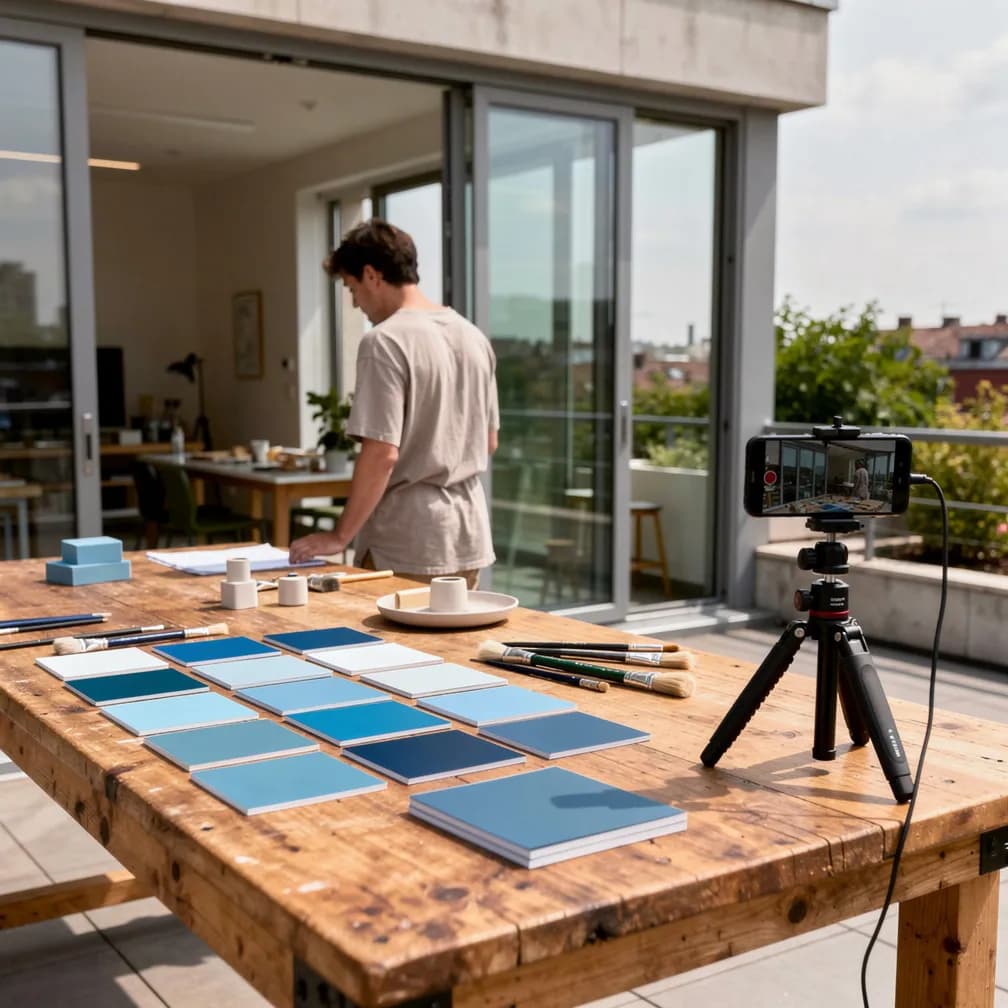
Lowe’s 'Creator: into the blue' program: A new retail pathway for social media innovators
Lowe’s "Creator: Into the Blue" program empowers social media creators to design and sell products through its retail pipeline. The initiative merges Lowe’s Creator Network with its product incubator, offering creators access to manufacturing and distribution resources.
Beast industries: mrBeast's expanding business empire
Beast Industries is expanding MrBeast's empire beyond content into a tech-driven creator marketplace. The company's talent acquisition and platform ambitions signal a major push into the influencer marketing economy.

Beyond promo codes: why trust and tech are driving podcast advertising's growth
U.S. podcast ad revenue surpassed $2B in 2023 as brands recognize its effectiveness due to listener-host intimacy. Host-read endorsements perform best, with mid-roll ads being most valuable, while costs range from niche shows to top podcasts like Joe Rogan’s.