

The Creator Economy, Explained: From Passion Project to Full-Fledged Business
The creator economy has evolved into a $250 billion industry, driven by platforms like YouTube and TikTok, AI tools, and creator studios. Individual creators now operate as businesses, leveraging monetization tools and AI for production, while studios and platforms invest heavily...
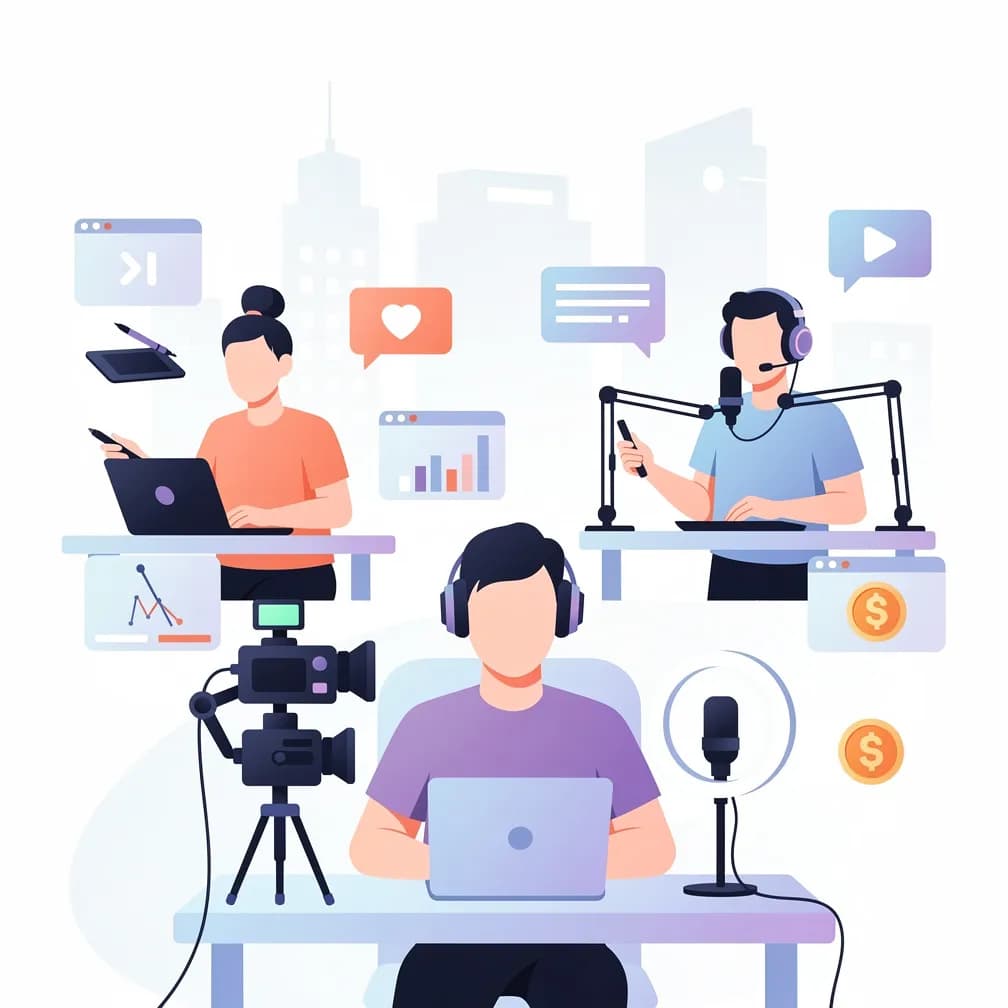
The Creator Economy Is Becoming a Real Economy: How Creators, Studios and AI Are Rewriting the Rules of Media
A decade ago, posting a video online was a hobby. Today, the creator economy is a multibillion-dollar industry where individual creators operate like media companies, studios function as modern entertainment conglomerates, and artificial intelligence is becoming the underlying infrastructure for production, distribution, and monetization.
What Happened
The creator economy has surged from a collection of influencers trading branded posts for free products into a structured economic sector. Platforms like YouTube, TikTok, and Instagram have built monetization tools — ad revenue sharing, tipping, subscriptions, and shopping — that allow creators to earn directly from audiences.
At the same time, a wave of venture-backed creator studios has emerged, modeled after traditional media groups but optimized for digital-first talent. Companies like Spotter, Jellysmack, and Haven have raised hundreds of millions of dollars to acquire or manage creator channels, effectively turning individual creators into assets.
Meanwhile, generative AI tools like Runway, OpenAI’s Sora, and ElevenLabs have lowered production barriers, enabling solo creators to produce high-quality video, audio, and visual content without large teams. AI-driven editing, script generation, and audience analytics are now standard tools in many creator workflows.
Why It Matters
This shift transforms not just how content is made, but who owns it and how value is captured. The creator economy is projected to reach $480 billion by 2027 according to Goldman Sachs, up from roughly $250 billion today. That growth is pulling in traditional media dollars — brands, studios, and investors are rethinking their strategies.
For creators, the opportunity is unprecedented, but so is the complexity. Running a creator business now requires legal, financial, and operational acumen. For platforms and brands, the race is on to build the tools and partnerships that support this new class of media entrepreneurs.
Who Is Involved
Three groups are driving the transformation:
- Individual creators like MrBeast, who operates a multi-channel network with hundreds of employees; Addison Rae, who has built a beauty empire; and thousands of mid-tier creators managing full-time teams.
- Creator studios and aggregators such as Spotter, which has paid over $500 million to acquire YouTube channel rights; Jellysmack, which helps creators expand across platforms; and Wattpad, which has turned online stories into TV and film.
- Platforms and infrastructure providers — YouTube, TikTok, Instagram, Patreon, Shopify, and AI companies like OpenAI and Runway — each building the rails for creator commerce.
Creator Economy Angle
The central thesis — creators are becoming companies — is now visible in practice. Top creators incorporate as businesses, hire CFOs, develop IP (merchandise, games, books), and diversify revenue beyond ads and sponsorships into subscriptions, digital goods, and direct-to-consumer sales.
Studios, in turn, are evolving into media groups. They manage rosters of talent, produce branded content for advertisers, and negotiate distribution deals with streaming platforms. The line between a creator studio and a traditional production company is blurring.
Business Angle
The economics are shifting. Instead of depending solely on brand deals — which remain volatile — creators are building recurring revenue. Patreon alone has paid out over $3.5 billion to creators. Merchandise sales via Shopify-powered stores generated an estimated $5 billion in 2023. Subscription products like YouTube Memberships and Twitch subs now rival ad income for many creators.
M&A is accelerating. Spotter, which raised $200 million in 2023, buys the rights to existing YouTube content, giving creators a lump sum while Spotter monetizes the back catalog through ads. This model mimics music catalog acquisitions, suggesting a maturing asset class.
Brands are also setting up in-house creator studios — like Nike’s digital content team or P&G’s influencer network — rather than relying solely on agencies.
However, creator burnout remains a persistent risk. The pressure to constantly produce content, manage community, and negotiate deals leads many to exit. The businesses that succeed will need to build sustainable operations, not just viral growth.
Olympus Tech Angle
Olympus Tech, as a technology partner serving creator businesses, directly observes this structural shift. Its platform provides tools for content management, audience analytics, and revenue optimization — the operational backbone that creators need as they scale from one-person operations to media companies.
The company’s focus on AI-powered insights reflects the industry’s move toward using automation to handle distribution, scheduling, and personalization, freeing creators to focus on creative strategy and business development.
What to Watch Next
Several trends will shape the next phase of the creator economy:
- AI-native content: Entirely AI-generated video, audio, and interactive experiences will test copyright, authenticity, and audience trust. Platforms are already updating policies.
- Creator-led IP expansion: More top creators will launch TV shows, movies, and games. MrBeast’s Amazon deal and Dream’s Minecraft-to-TV transition are early signals.
- Regulatory scrutiny: As the economic stakes rise, governments will look at labor classification (are creators employees of platforms?), tax compliance, and disclosure rules for sponsored content.
- Decentralized models: Blockchain-based platforms like Lens Protocol and decentralized social networks aim to give creators direct ownership of their audiences and content, though adoption remains niche.
The creator economy is no longer an alternative to traditional media. It is becoming the dominant model for producing, distributing, and monetizing content. The question now is not whether creators will become companies, but which companies will become creators.
Related
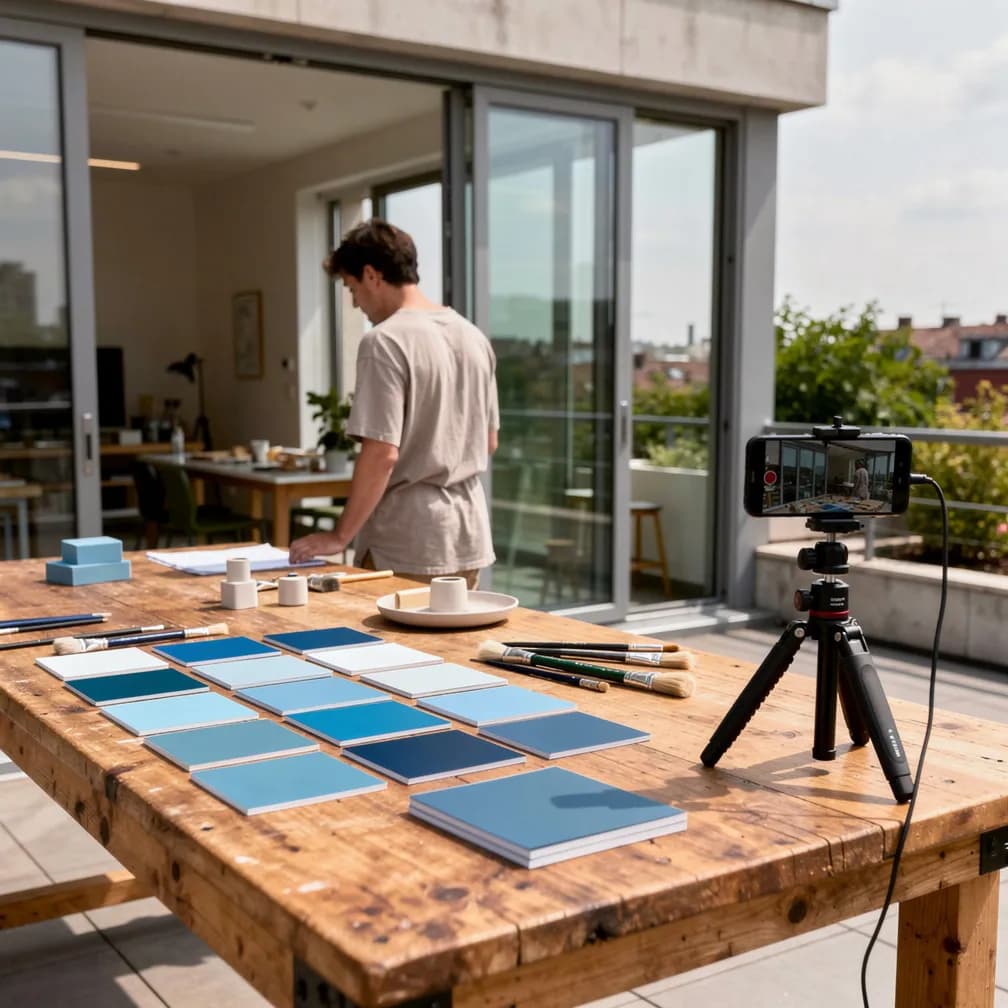
Lowe’s 'Creator: into the blue' program: A new retail pathway for social media innovators
Lowe’s "Creator: Into the Blue" program empowers social media creators to design and sell products through its retail pipeline. The initiative merges Lowe’s Creator Network with its product incubator, offering creators access to manufacturing and distribution resources.
Beast industries: mrBeast's expanding business empire
Beast Industries is expanding MrBeast's empire beyond content into a tech-driven creator marketplace. The company's talent acquisition and platform ambitions signal a major push into the influencer marketing economy.

Beyond promo codes: why trust and tech are driving podcast advertising's growth
U.S. podcast ad revenue surpassed $2B in 2023 as brands recognize its effectiveness due to listener-host intimacy. Host-read endorsements perform best, with mid-roll ads being most valuable, while costs range from niche shows to top podcasts like Joe Rogan’s.