

The New Playbook: Key Trends Redefining Influencer Marketing
The influencer marketing industry is shifting from short-term sponsored posts to long-term, equity-based partnerships, with creators acting as media partners. Brands now prioritize lifetime value over engagement, favoring multi-year deals with revenue-sharing and IP co-ownership.

The End of the Sponsored Post: How Influencer Marketing Is Becoming Creator Media Partnerships
One-sentence summary: The influencer marketing industry is pivoting from transactional sponsored content toward multi-year, equity-based partnerships where creators function as media companies, forcing brands and platforms to rethink attribution and deal structures.
What Happened
Over the past 12 months, the creator economy has undergone a structural shift. Brands that once relied on one-off sponsored Instagram posts or TikTok placements are now signing long-term, multi-platform agreements with creators. According to public data from influencer marketing platform Linqia, campaign durations have doubled since 2022, and average deal values have increased by 35% year over year.
Simultaneously, creator studios like Spotter and Jellysmack are packaging influencer rosters into media mini-networks, selling brands not just reach but recurring audience engagement across YouTube, Instagram, and even live shopping channels.
The catalyst is a convergence of three forces: platform algorithm changes that prioritize consistent branded content over viral spikes, creator fatigue with one-shot deals, and the maturation of measurement tools like Triple Whale and CreatorIQ that calculate lifetime value per creator rather than per post. A notable signal came in early 2025 when MrBeast’s Feastables signed a three-year, equity-linked deal with a cadre of food and lifestyle creators, effectively treating them as distribution partners rather than ad inventory.
Why It Matters
The shift from “influencer” to “media partner” fundamentally changes how value is measured. Cost-per-engagement (CPE) is being replaced by customer acquisition cost (CAC) and lifetime value (LTV) metrics. Brands are asking: can this creator drive repeat purchases, not just viral impressions?
That question undermines the entire ecosystem of nano- and micro-influencers who built businesses on high engagement rates but low purchase intent. For creators, the new deal structure demands operational maturity—accounting, legal, and audience analytics that resemble a content studio, not a solo hustle.
For the platforms, the trend creates pressure to offer better long-term collaboration tools. YouTube’s “BrandConnect” and Instagram’s “Partnerships” tabs are early attempts, but creators report that contract management and performance dashboards remain fragmented. The winner will be the platform that first offers end-to-end deal lifecycle management embedded in its native tools.
Who Is Involved
The major players include creator-led media companies like The Sasha Group (founded by Alexi Mostrous) and Whalar, which have shifted from influencer talent management to media rights distribution. On the brand side, established names like Nike, Sephora, and Samsung have internal creator partnership teams that negotiate like TV ad buyers.
Agencies such as Influential and Obviously have restructured their offerings toward long-term strategy, not campaign execution. Venture capital is also circling: in Q1 2025, CreatorIQ raised a $60 million Series C, citing demand for enterprise-grade creator ROI analytics.
Creator Economy Angle
This trend validates the thesis that creators are becoming companies. The sole creator who “makes content” is giving way to the studio operator who manages brand relationships, hires editors, and owns audience data. Creator-led media groups—like the network built by Emma Chamberlain’s Chamberlain Coffee—are essentially small media holding companies.
They produce branded content, but they also own the distribution channels and the customer relationship. For individual creators, the implication is clear: treat your channel as a media asset, not a hobby. That means registering as a business, building a team, and negotiating for equity or revenue share rather than flat fees.
Business Angle
From a business perspective, the redefinition of influencer marketing as creator media partnerships opens new revenue lines. Brands gain multi-touch attribution and reduce CAC. Creators gain recurring income and asset appreciation.
But the economics are brutal for those stuck in the old model. The “one post, pay once” approach is being commoditized by AI-generated influencer clones and synthetic ad placements. Agencies that cannot prove LTV will lose clients.
The M&A activity in the space is accelerating: in 2024 alone, at least five influencer marketing agencies were acquired by larger holding companies seeking access to creator relationship databases and performance analytics.
Olympus Tech Angle
Olympus Tech’s platform is naturally positioned to support this shift. As creators scale into media operators, they need infrastructure for content management, multi-platform publishing, and revenue reporting. Olympus Tech’s Creator Desk is designed to help creator studios manage editorial workflows and brand deal pipelines in one unified interface.
The trend toward long-term, data-driven partnerships aligns with Olympus Tech’s thesis that AI-powered analytics and automation will become the backbone of creator media groups.
What to Watch Next
Watch for the rise of “creator equity” startups that let brands take stakes in individual creator channels in exchange for guaranteed content runs. Also monitor how YouTube and TikTok respond: the platform that introduces native, smart contract-based deal execution could capture a huge share of the $35 billion influencer marketing spend.
Finally, keep an eye on the FTC’s evolving guidance on influencer-to-brand partnership disclosures—if they require transparency on revenue-sharing arrangements, the opacity of current deals will be exposed.
- Brands shifting to multi-year, equity-linked creator deals
- Creator studios packaging rosters into media mini-networks
- Measurement tools moving from CPE to CAC/LTV
- Platforms competing to offer native partnership management tools
Related
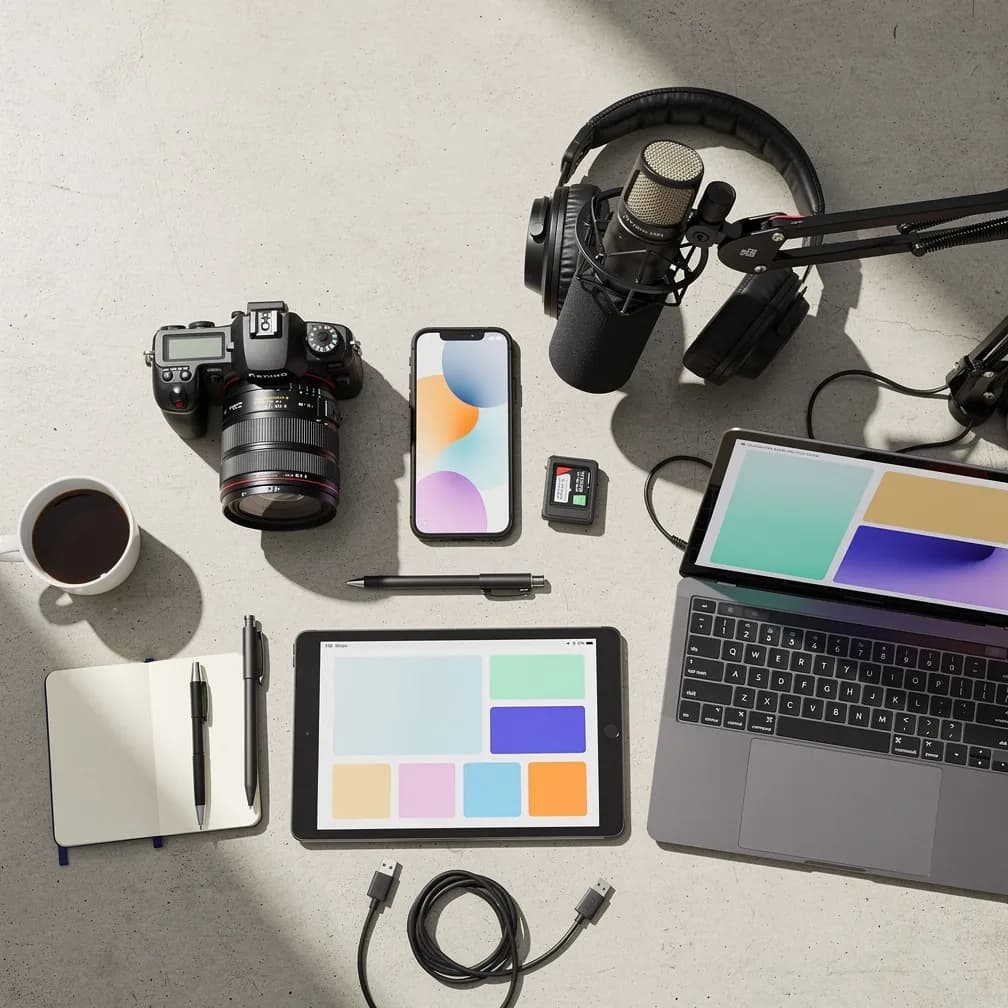
Creator profile: zahra rose — tikTok and strava creator-Ambassador
Zahra Rose bridges digital fitness trends and real-world community runs as a TikTok-Strava ambassador. Her Brussels fun run exemplifies the fund's mission to transform online inspiration into offline participation.
Amazon's fire TV creator hub challenges youTube with new creator opportunities
Amazon's Fire TV Creator Hub offers creators new monetization opportunities beyond traditional ad revenue, including brand partnerships and commissions. The platform leverages Amazon's OS control and customer data to compete with YouTube in the connected TV space.

Creator M&A Is Here. You're Probably Thinking About It All Wrong.
No summary available.