

The End of the Creator: Long Live the Creator-Led Media Company
# The End of the Creator: Long Live the Creator-Led Media Company A convergence of nine-figure media deals, strategic platform pivots, and deep brand integrations confirms a major power shift: top creators are no longer just making content, they are building the next generation...
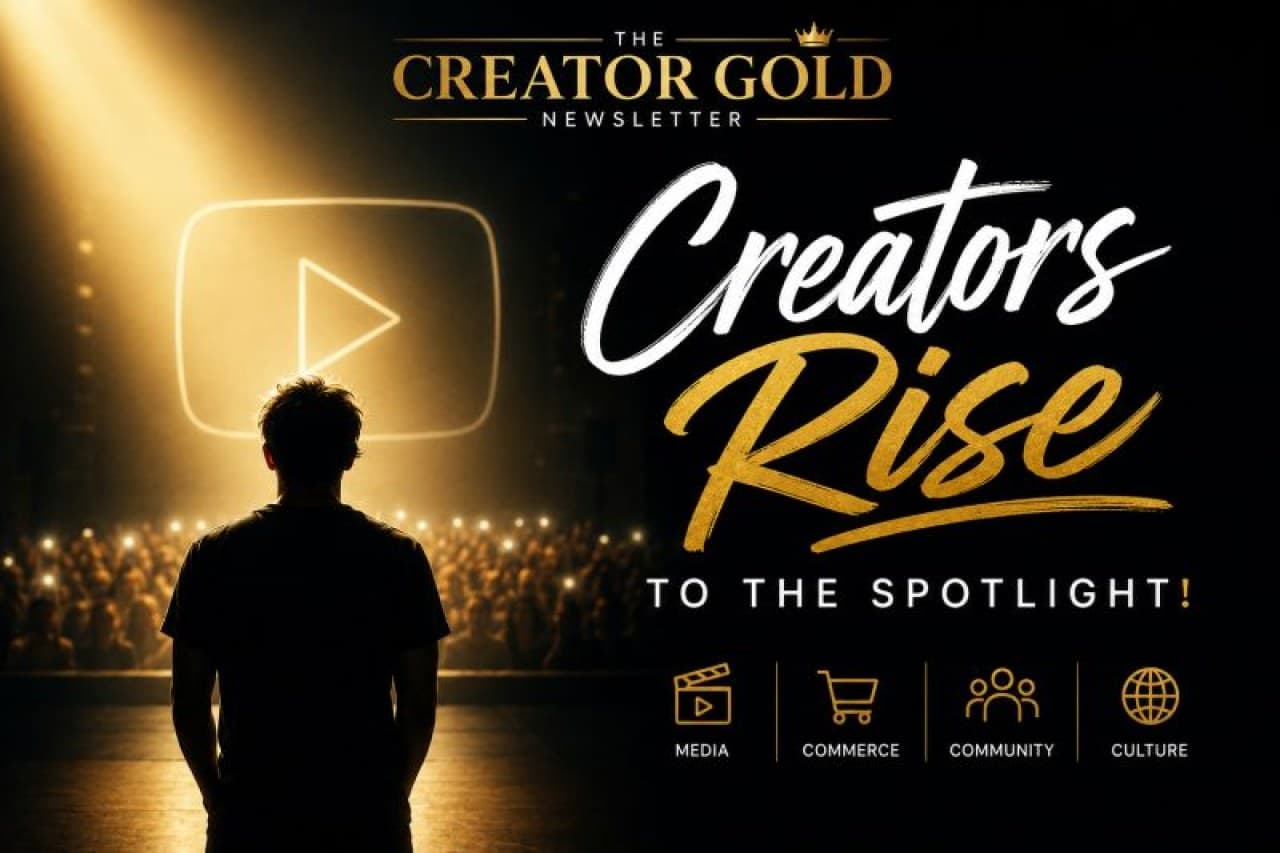
Source image: LinkedIn (France Tantiado)
A convergence of nine-figure media deals, strategic platform pivots, and deep brand integrations confirms a major power shift: top creators are no longer just making content, they are building the next generation of media companies.
What Happened
A series of recent developments, highlighted in an analysis by France Tantiado of Creator Gold, signals a fundamental change in the creator economy's structure. The line between individual creator and full-fledged media company has effectively been erased.
This isn't a gradual evolution; it's a rapid consolidation of power. According to reports, mindfulness entrepreneur Jay Shetty signed a deal worth up to $100 million with media giants Netflix and Spotify, placing creator-developed intellectual property (IP) on the same level as Hollywood's most established properties. This landmark deal is just one of several powerful signals.
At its recent upfront presentation at Lincoln Center, YouTube explicitly positioned itself as the future of television, with creators as its headline stars. Meanwhile, platforms are retooling their ecosystems to support this shift. Meta is rolling out paid subscriptions across its apps, and Twitch has broadened its monetization program to include all streamers, lowering the barrier to entry for building a business on the platform.
The shift extends beyond media and into commerce. Target has built a sophisticated creator-led commerce program, acknowledging that creators are now the primary engine for product discovery. This sentiment was echoed at industry gatherings like Colin & Samir's Press Publish LA, where the consensus was clear: creators are now building the very infrastructure of media and commerce.
Why It Matters
This represents a seismic shift from the early days of brand deals and sponsored posts. For years, the creator economy operated on a model where creators were essentially talent-for-hire, leveraging their audience to serve the goals of platforms and brands. That dynamic is flipping. Creators are moving from being tenants on rented land to becoming architects of their own ecosystems.
The transition is from content creator to business builder. This means a focus on owning the IP, controlling the distribution, and fostering a direct relationship with the audience. A reported $100 million deal for a creator like Jay Shetty isn't just a big paycheck; it's a valuation of a creator-built media empire, complete with a loyal community, a distinct brand, and a multi-platform content strategy.
It validates the creator-led model as a formidable competitor to traditional studios and media conglomerates.
The line between creator and media company has officially disappeared.
— France Tantiado, Creator Gold
Who Is Involved
This transformation involves every player in the digital media landscape:
- Creators: Visionaries like Jay Shetty and industry analysts like Colin & Samir are at the forefront, demonstrating the potential of scaling a personal brand into a media enterprise.
- Platforms: YouTube, Meta, Twitch, Netflix, and Spotify are no longer just distribution channels. They are now competing to provide the best "business-in-a-box" infrastructure for creators to build their companies upon.
- Brands & Retailers: Companies like Target are moving beyond simple influencer marketing to co-create entire commerce ecosystems with creators, recognizing their role as cultural tastemakers and sales drivers.
- Legacy Media: Hollywood studios and broadcast networks are now in the position of having to partner with, acquire, or compete against these new, agile, and culturally relevant creator-led media companies.
Creator Economy Angle
For creators, this marks the beginning of a new era of opportunity and expectation. The goal is no longer simply to amass followers, but to convert that audience into a durable business. This requires a strategic shift toward building a multi-faceted operation.
The new model for a top-tier creator involves owning their intellectual property, diversifying revenue streams well beyond advertising, and building operational teams to manage production, marketing, and commerce. Success is measured not just in views, but in enterprise value.
- **IP Ownership:** Shift from work-for-hire to creator-owned intellectual property.
- **Diversified Revenue:** Moving beyond ad revenue to include subscriptions, commerce, and licensing.
- **Direct Audience Relationship:** Using platforms to build communities that can be monetized directly.
- **Operational Infrastructure:** Building teams, studios, and business processes to scale content production.
Business Angle
For brands, agencies, and investors, the message is clear: adapt or become irrelevant. Investing in the creator economy no longer means allocating a small slice of the marketing budget to influencer campaigns. It means treating creator-led companies as strategic partners, acquisition targets, and a new asset class for investment.
The profit-sharing model is evolving. Instead of paying a flat fee for a one-off integration, smart brands are creating long-term partnerships and joint ventures that give creators a stake in the success of a product line or campaign. This aligns incentives and leverages the creator's deep understanding of their community in a more authentic and effective way.
Legacy media must now contend with competitors who are faster, more connected to their audience, and built on a lean, digital-native cost structure.
As creators become companies and their studios become media groups, the infrastructure they use to scale becomes critical. This is where AI is poised to play a transformative role, providing enterprise-grade tools for content generation, audience analytics, and business management that were once only available to large corporations.
AI is becoming the essential infrastructure that allows a creator-led team of five to compete with a legacy media division of 500.
What to Watch Next
This trend is only accelerating. The upcoming FIFA World Cup in 2026, with creators reportedly central to its fan experience strategy, will be a major test case for integrating creator-led media into global cultural events. Expect to see more nine-figure deals as legacy media and private equity firms compete for a stake in the most valuable creator enterprises.
The key battleground will be at the intersection of content, community, and commerce, with platforms, brands, and creators all vying to own the relationship with the end consumer. The conversations happening this summer at events like the Cannes Lions International Festival of Creativity will not be about the "creator economy" as a novelty, but as the new center of gravity for the entire media industry.
Related

Lowe’s 'Creator: into the blue' program: A new retail pathway for social media innovators
Lowe’s "Creator: Into the Blue" program empowers social media creators to design and sell products through its retail pipeline. The initiative merges Lowe’s Creator Network with its product incubator, offering creators access to manufacturing and distribution resources.
Beast industries: mrBeast's expanding business empire
Beast Industries is expanding MrBeast's empire beyond content into a tech-driven creator marketplace. The company's talent acquisition and platform ambitions signal a major push into the influencer marketing economy.

Beyond promo codes: why trust and tech are driving podcast advertising's growth
U.S. podcast ad revenue surpassed $2B in 2023 as brands recognize its effectiveness due to listener-host intimacy. Host-read endorsements perform best, with mid-roll ads being most valuable, while costs range from niche shows to top podcasts like Joe Rogan’s.