

The Impact of Micro-Influencers on the Creator Economy
Micro-influencers with 10,000-100,000 followers are driving higher engagement and ROI for brands compared to larger creators. Their growing economic impact is reshaping marketing budgets and strategies, with long-term collaborations becoming the norm.
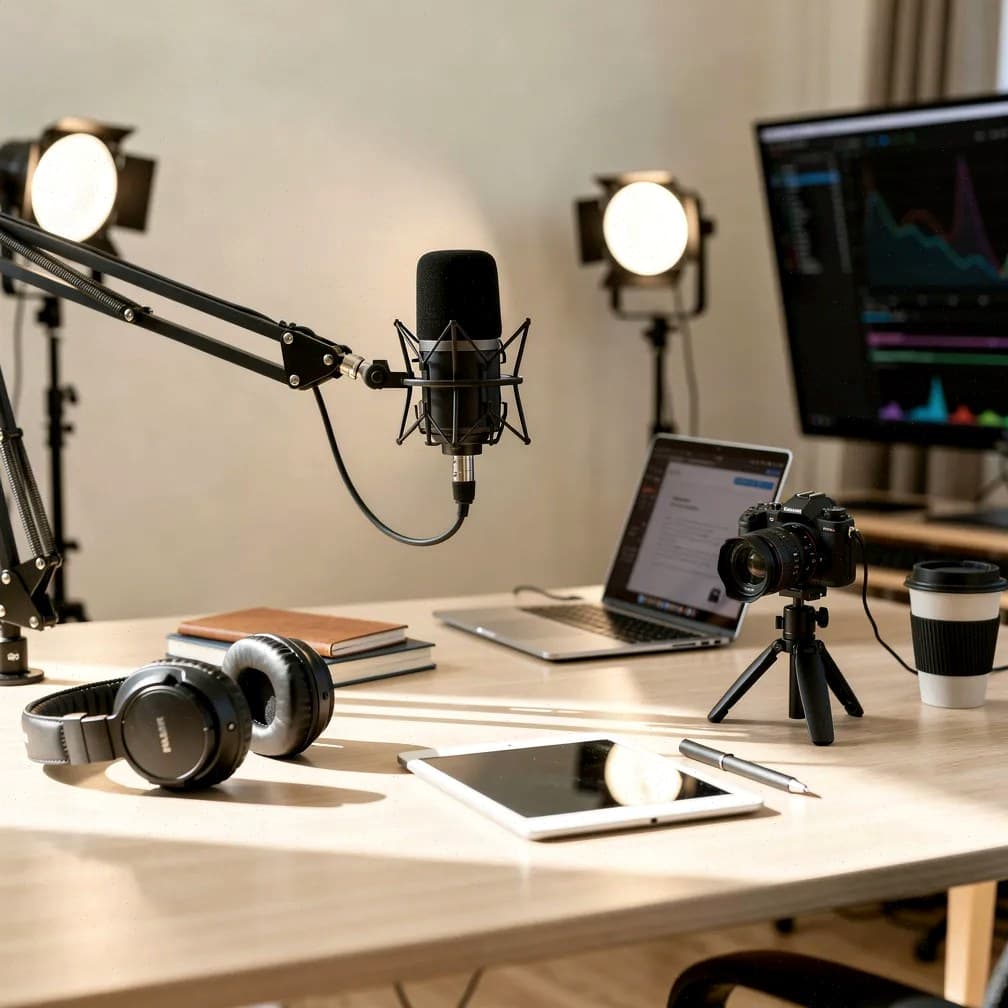
Profile of a Creator: A Middle-Class Micro-Influencer
Who they are: A representative of the growing group of micro-influencers, with 10,000 to 100,000 followers. They belong to the so-called middle class of creators, a segment where 45.6% earn between $10,000 and $100,000 annually.
Why they matter: Micro-influencers generate engagement rates 3.2 times higher than mega-influencers, while costing 60% less. Their recommendations lead to tangible results: the average return on investment for influencer campaigns is $5.78 for every dollar spent, with the best campaigns yielding between $11 and $20.
Consumer trust is crucial, with 69% trusting creator recommendations more than direct brand messages, and 59% are likely to make a purchase following such a recommendation (22% within a day).
Significance for the creator economy: The activities of micro-influencers are part of the global influencer marketing market, valued at $32.55 billion in 2025, with forecasts exceeding $40 billion in 2026. Platforms like TikTok have generated approximately £10 billion in economic value in the UK alone over two years, supporting around 153,000 jobs and increasing small business revenues by £3.4 billion in 2025.
In the European Union, companies advertising on TikTok created €31 billion in economic value, with €13 billion attributed to small and medium enterprises.
Market signals: Brands are increasingly shifting budgets towards long-term collaborations with creators, with 74% of marketers planning to increase spending on influencer marketing by 2026, and it already accounts for an average of 23% of total marketing budgets.
There is a move away from single campaigns towards 'always-on' programs that build lasting relationships with audiences. At the same time, the role of artificial intelligence in optimizing activities is growing, from selecting creators to analyzing results.
What to watch: Virtual influencers, AI-generated characters, are gaining importance, attracting annual brand spending estimated at $1.37 billion and achieving engagement rates nearly three times higher than human creators. The so-called branding gap remains a challenge, as creator ads capture attention but often have 50% lower early brand recognition.
Designing multi-touch campaigns will also be key, as most consumers need 2 to 3 exposures before purchasing, with only 12% making a purchase after one contact.
Sources47 · open list
- ringly.io
- digitalapplied.com
- clouted.com
- socioapt.com
- tubefilter.com
- channelx.world
- publicfirst.co
- tiktok.com
- impact.com
- aspire.io
- shopify.com
- neoreach.com
- circle.so
- creatorchart.in
- quasa.io
- researchandmarkets.com
- stan.store
- thrivecart.com
- imperial.ac.uk
- tubefilter.com
- tubefilter.com
- archive.com
- sender.net
- sqmagazine.co.uk
- forbes.com
- impact.com
- bizkol.ai
- companieshistory.com
- sae.edu
- archive.com
- aspire.io
- deloitte.com
- forbes.com
- dataslayer.ai
- creatoriq.com
- fabulate.com.au
- northwestern.edu
- tiktok.com
- publicfirst.co
- forbes.com
- fabulate.com.au
- industryselfregulation.org
- system1group.com
- kantar.com
- circle.so
- axiacore.com
- researchgate.net
Related
Celine Dept's Rise: How YouTube Shorts and the 2026 World Cup Amplified Her Reach
Celine Dept’s YouTube channel soared to global prominence during the 2026 World Cup, fueled by her soccer-focused Shorts content. Her success highlights the growing influence of short-form video in reshaping sports media consumption.
MrBeast Enters ‘Shark Tank’ as Kick Partners with UFC: How Digital Creators Are Reshaping Mainstream Media
MrBeast’s role as a guest investor on “Shark Tank” marks a strategic expansion for Beast Industries, leveraging his digital influence to reshape traditional media. His ventures, including Beast Mobile and a creator marketplace, aim to build a cohesive ecosystem for creators and b...
Netflix's Bold Move: Partnering with the Stokes Twins to Compete with YouTube
Netflix’s partnership with the Stokes Twins marks a strategic shift to compete with YouTube and TikTok for daily viewer attention. The non-exclusive deal aims to attract digital creators without disrupting their existing platforms, signaling a new era in streaming content strateg...