

Escaping Creator Tool Overload: A Minimalist's Guide to a Better Workflow
Standalone creator tools are declining as integrated platforms like Descript, Runway, and CapCut expand into AI-powered suites, streamlining workflows for creators and studios. This shift, driven by $2.1B in 2023 investments, boosts efficiency by consolidating editing, analytics,...
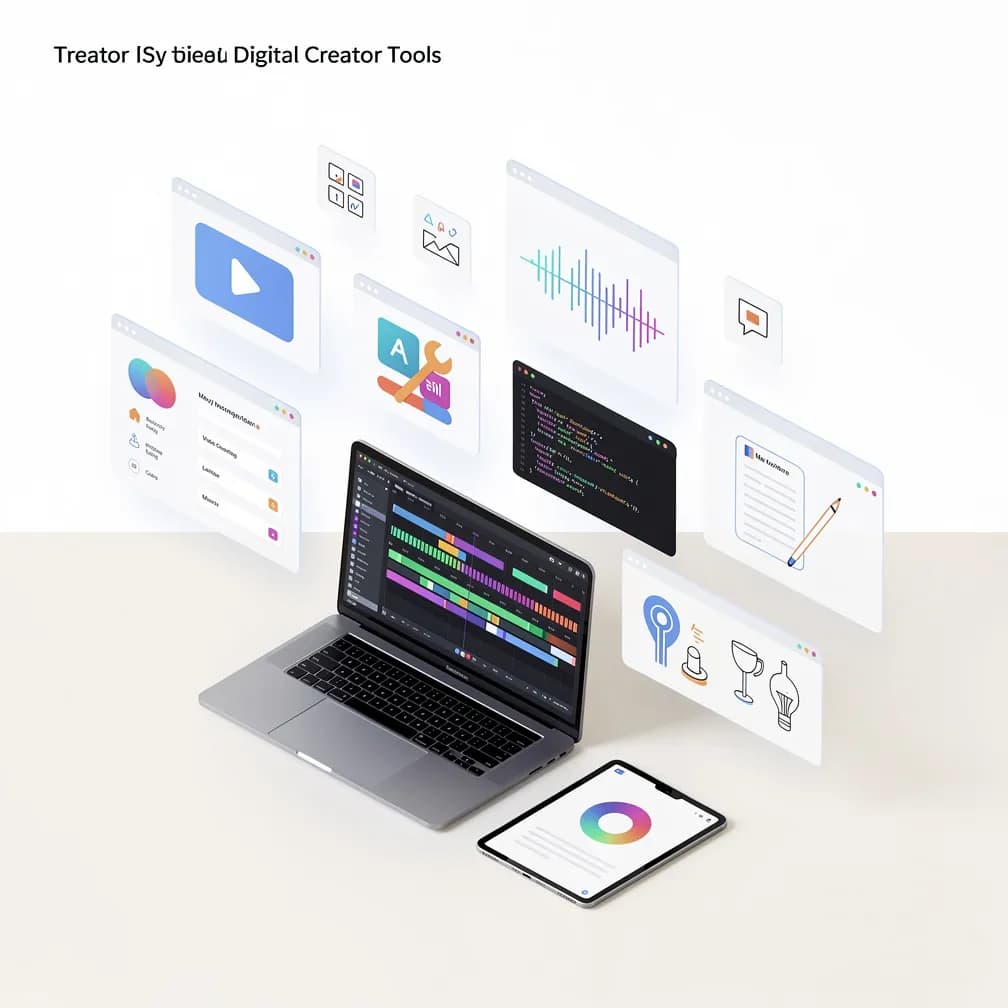
The End of the Point Solution: Why Creator Tools Must Become Operating Systems
One-sentence summary: The creator tool market is consolidating as standalone apps for editing, analytics, and monetization give way to integrated stacks that treat creators as media companies, powered by AI infrastructure.
What happened
Over the past 18 months, a clear pattern has emerged in the creator tools landscape: single-purpose apps are losing ground to unified platforms. According to public market data, investment in creator-focused software reached $2.1 billion in 2023, with the majority of late-stage rounds going to companies offering multi-function suites rather than point solutions.
Descript, once known primarily as a transcription and editing tool, now includes screen recording, AI voice cloning, and collaborative video workflows. Runway, which started with AI video editing effects, has expanded into a full production suite with text-to-video, inpainting, and real-time collaboration.
CapCut, TikTok's sibling editor, has added music libraries, templates, and direct-publish integration to multiple platforms. Meanwhile, Canva acquired Affinity to compete with Adobe in professional design, and Adobe itself has been bundling its creative cloud with AI features like Firefly.
At the same time, platforms themselves are building native tools. YouTube now offers built-in chapters, automatic captions, and a redesigned studio analytics dashboard. Instagram's Reels editor has become more sophisticated, and TikTok's Creative Assistant plugin runs inside editing software. These moves squeeze third-party tools that rely on platform access.
Why it matters
The fragmentation of the creator tool stack isn't just an inconvenience—it's a drag on scaling. A creator running a one-person operation might juggle separate apps for scripting, recording, editing, analytics, thumbnail design, captioning, scheduling, and invoicing.
Each switch costs time and mental energy. For studios managing dozens of creators, the problem compounds: training, licensing, and workflow consistency become major overheads.
The shift toward integrated operating systems addresses this directly. When a single platform handles production, distribution, performance tracking, and monetization, creators can operate with the efficiency of a media company. Data flows between modules, AI automates repetitive tasks, and the creator focuses on strategy and creativity.
For investors, this consolidation signals that the next wave of unicorns won't be narrow feature tools. The companies that win will own the creator's end-to-end workflow—and with it, the relationship, the data, and the revenue share.
Who is involved
- Independent creators – They are the primary users and the ultimate beneficiaries of better tool integration.
- Creator studios – Companies like Spotter, Jellysmack, and Underscore Talent are pushing for unified stacks to manage talent portfolios.
- Tool makers – Descript, Runway, CapCut, Canva, Adobe, Notion, and smaller players like Tella and Opus Clip.
- Platforms – YouTube, TikTok, Instagram (Meta), and even LinkedIn are adding creator-focused features that blur the line between tool and channel.
- VCs and investors – Firms like a16z, SignalFire, and Initialized Capital have backed creator tool platforms, betting on infrastructure over features.
Creator economy angle
Creators are becoming companies. That means they need more than a video editor—they need CRM, project management, financial tracking, and distribution analytics. The old model of using eight different apps and a spreadsheet is unsustainable beyond a few thousand dollars of monthly revenue.
The new generation of tools addresses this by bundling capabilities. Notion's creator hub template, for instance, combines editorial calendar, asset management, and client tracking. Opus Clip repurposes long-form video into shorts automatically.
AI co-pilots like Descript's "Studio Sound" clean audio in one click, while Runway's "Inpainting" removes background objects without manual masking. These features lower the entry bar for new creators but raise the operational bar for professionals: those who adopt integrated stacks can produce more, faster, and with better data.
Business angle
The economics of creator tools are shifting. Subscription-based pricing is giving way to usage-based models or revenue-sharing agreements that align tool costs with creator earnings. For example, some AI video tools charge per minute of output, while others take a small cut of sponsored content revenue. This makes sense for both sides: creators pay only when they earn, and tool makers participate in the upside.
M&A activity is heating up. Adobe's acquisition of Frame.io for $1.275 billion, Canva's purchase of Affinity, and Notion's acquisition of Cron and Flowism all point to a land-grab for workflow integration. The next targets are likely analytics and distribution tools—companies that hold data on how content performs across platforms and audiences.
For agencies and studios, adopting a single stack reduces training time, ensures brand consistency, and provides centralized reporting to clients. It also makes the studio more valuable as an acquisition target if it runs on a standardized, scalable infrastructure.
Olympus Tech angle
Olympus Tech, the parent company of Creators Desk, is itself building infrastructure that aligns with this thesis. By providing creators with a unified platform for operations, analytics, and monetization, Olympus Tech embodies the shift from isolated tools to an integrated operating system.
This is not a plug—it's a natural fit with the market trend. As creator studios scale into media groups, the need for a backbone that connects production, distribution, and finance becomes critical. Olympus Tech's platform is designed to fill exactly that role.
What to watch next
- Acquisitions of analytics and distribution tools by editing platforms. Expect deals targeting tools like Vidooly, Tubular Labs, or later-stage distribution startups.
- Rise of "creator OS" products that combine production, scheduling, finance, and audience management in a single workspace. Look for new entrants or expansions from Notion, ClickUp, and Monday.com.
- Platform-native feature creep. YouTube and Instagram will continue adding editing, captioning, and analytics capabilities, potentially making third-party tools redundant for basic use cases.
- AI agents that manage the entire workflow. Tools like AutoPod already automate multi-camera editing; the next step is an AI agent that plans content, records, edits, publishes, and reports performance without human intervention.
- Your creator tool stack may be outdated if:
- You use more than five separate apps for a single content piece
- You manually export and re-upload captions or thumbnails
- You have no unified analytics dashboard across platforms
- Your invoicing and payment tracking is done outside your production tools
- You spend more than 30% of your production time on non-creative tasks
The creator tool market is at an inflection point. Standalone apps that refuse to integrate will become legacy products. Those that embrace the operating system model—and the AI infrastructure that powers it—will define the next decade of creator media.
Related
Amazon's fire TV creator hub challenges youTube with new creator opportunities
Amazon's Fire TV Creator Hub offers creators new monetization opportunities beyond traditional ad revenue, including brand partnerships and commissions. The platform leverages Amazon's OS control and customer data to compete with YouTube in the connected TV space.

Creator M&A Is Here. You're Probably Thinking About It All Wrong.
No summary available.
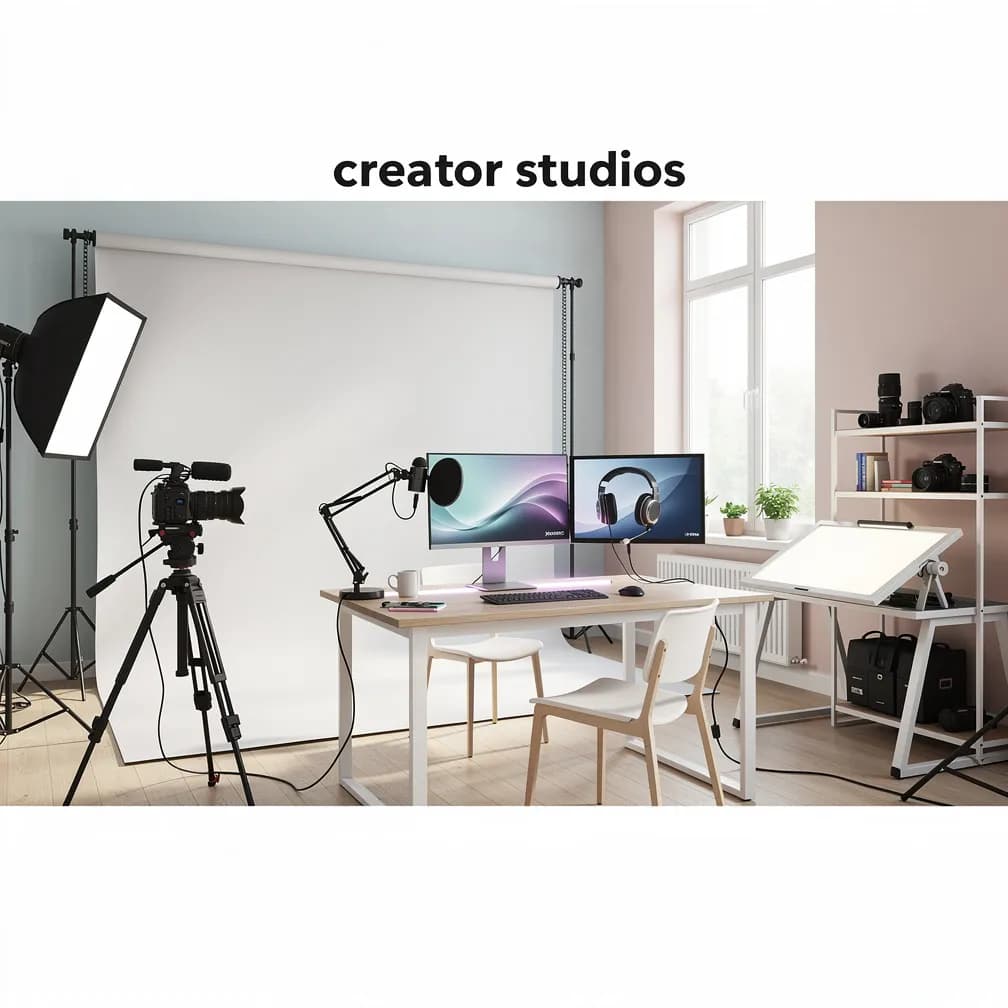
Beyond the Solo Grind: A Practical Guide to Creator Studios
Successful independent creators are forming multi-person "creator studios" (like MrBeast Productions) to scale operations, diversify revenue, and ensure stability. This shift—driven by platforms like YouTube and backed by investors—turns solo creators into media businesses with s...