

Diane Wang: Can MyyShop Deliver on Its Promise to Empower Female Creators?
Diane Wang's MyyShop aims to empower female creators with AI-driven monetization tools, but operational challenges threaten its promise. The platform's success hinges on addressing payment delays and collaboration access to truly support its target audience.
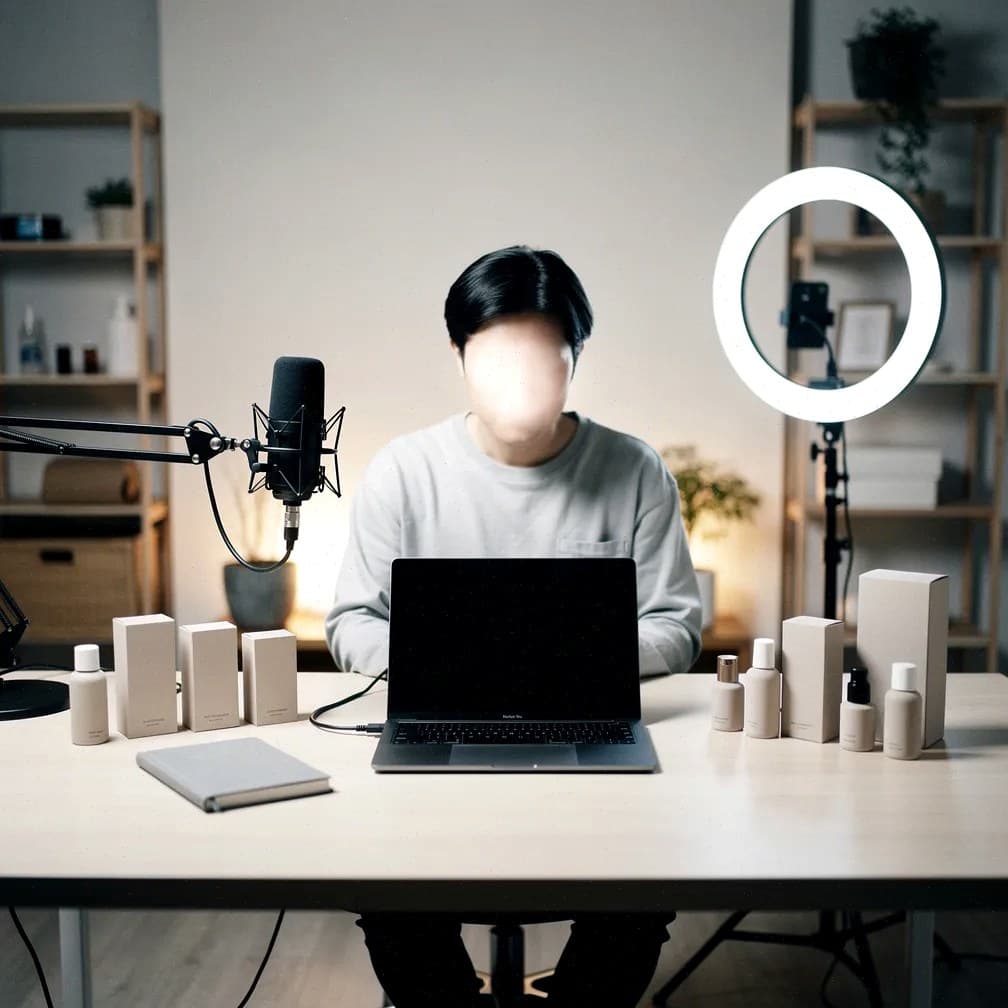
Who she is Diane Wang is the CEO of MyyShop and DHgate Group. She leads an AI-driven global creator marketing platform that launched in 2020, positioning itself as a tool to help creators—especially women and “Mom-preneurs”—monetize their influence without the operational burdens of traditional e-commerce.
Why she matters now Wang’s platform has drawn attention for its bold promise: “Lightweight Commerce” with “zero-barrier entry,” even for creators with zero followers. MyyShop promises free storefronts, access to a directory of over 4 million products, and AI-powered recommendations that match creators with trending items.
Wang has publicly emphasized the platform’s role in supporting creators who have engaged communities but lack the resources to run full-scale online businesses. At the same time, user experiences from late 2025 and mid-2026 have surfaced serious friction—payment delays, scarce collaboration slots, and earnings that some creators describe as negligible—raising questions about whether the platform truly empowers its users.
Creator-economy relevance Women make up nearly two-thirds of content creators and 70% of content monetizers, yet a persistent pay gap means men often earn nearly twice as much on average. MyyShop, under Wang’s leadership, is designed to offer structured monetization paths: content creation fees, product promotion campaigns (for example, $30 per promotion plus an 8% commission on affiliate sales), and brand partnership shares.
The model moves beyond simple affiliate links by letting creators set their own prices. However, the reported hurdles—collaborations that take over a month to complete, an additional 14-day payment processing window, and earnings of “a few cents on every view” or less than $1 for more than 100 views—disproportionately affect nano and micro-influencers who rely on such platforms for early monetization.
This dynamic risks widening the very disparities Wang’s platform claims to close.
Recent signals MyyShop rebranded in 2022, adding an e-learning platform and integrated cross-border marketing services. It maintained a public presence at events like VidCon 2023, signaling an intent to scale its creator base and feature set. Yet user reviews from the 2025–2026 period point to a gap between marketing and reality: collaboration opportunities frequently appear as “sold out,” and some users have explicitly labeled the platform a potential “scam” due to unfulfilled promises and unclear feature explanations.
What to watch next The critical test for Wang and MyyShop is whether the platform can resolve the operational friction that undercuts its value proposition. Payment transparency, faster processing, and reliable access to collaboration opportunities will determine if the platform can retain trust among the female creators it targets.
Without concrete fixes, the risk is not just reputational damage but a failure to deliver on the financial stability that the creator economy’s majority-female workforce urgently needs.
Sources24 · open list
- marketersmedia.com
- theceoviews.com
- kr-asia.com
- prnewswire.com
- apple.com
- wordpress.com
- youtube.com
- reddit.com
- theceoviews.com
- prnewswire.com
- dhgate.com
- marketersmedia.com
- techbullion.com
- sproutsocial.com
- dgu.ac
- socialnative.com
- kr-asia.com
- reddit.com
- wordpress.com
- apple.com
- youtube.com
- bignewsnetwork.com
- scamadviser.com
- reddit.com
Related
Idris Elba's Akuna Group: Empowering African Creators with AI and Infrastructure
Idris Elba’s Akuna Group is empowering African creators through AI tools and infrastructure investments, including a creative village in Ghana and a studio complex in Zanzibar. The initiative, supported by Google, aims to bridge the gap between talent and opportunity in Africa’s...
Mark Rober: Former NASA Engineer Investing $60 Million to Make Science Fun
Mark Rober is investing $60 million to revolutionize STEM education through his engaging Class CrunchLabs curriculum. The initiative, now partnered with YouTube, aims to make science accessible and fun for students worldwide.
Niche YouTube creators: emerging power players in AI-Driven discovery
Niche YouTube creators are gaining influence as AI chatbots increasingly cite their detailed, long-form videos, reshaping content discovery. Their rise sparks debates over copyright and monetization as platforms like YouTube integrate AI tools.