

The Rise of Digital Activation in Sports Marketing
Sports marketers are transforming sponsorships into digital experiences as streaming platforms dominate sports consumption. Brands now prioritize shareable moments and creator collaborations over traditional media buys.
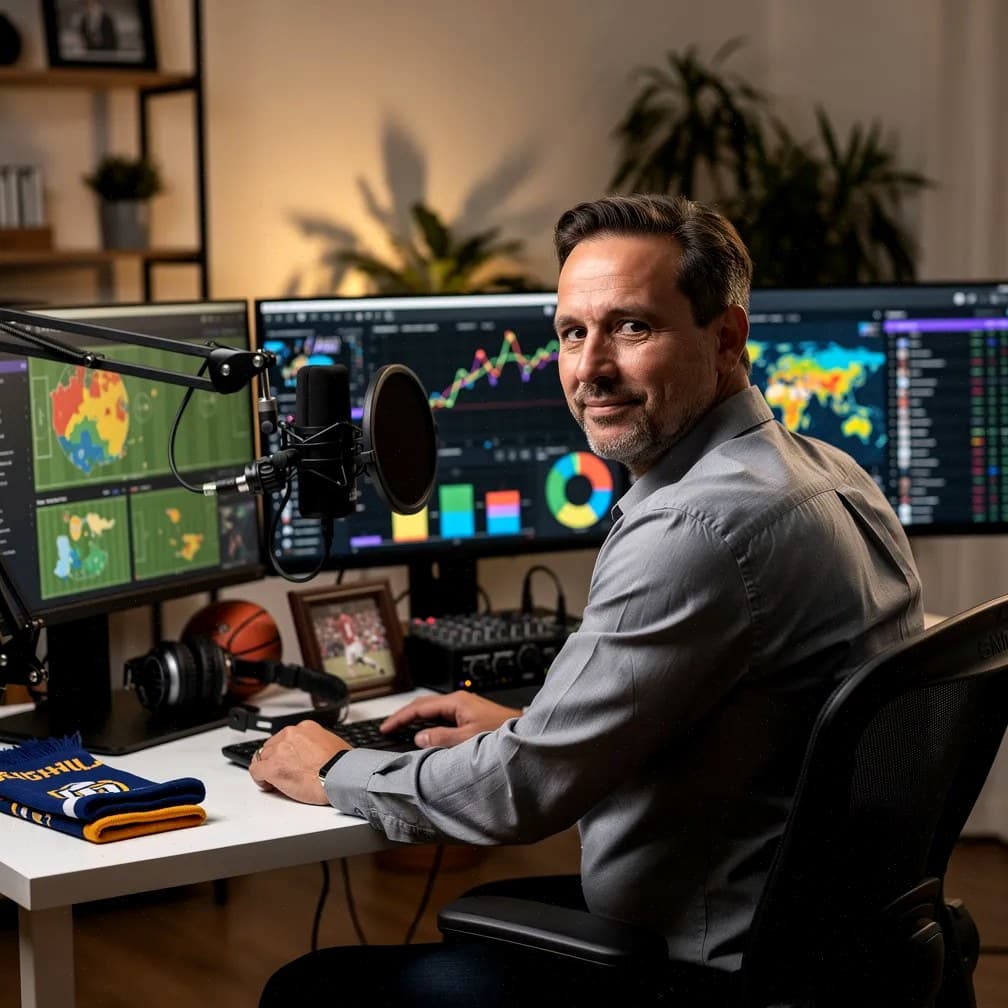
The analysis highlights a rising professional profile working at the intersection of major brands, sports properties, and digital platforms. Their main role is to transform traditional sponsorship rights into measurable, revenue-generating digital experiences.
In the current landscape, media rights in the United States are projected to reach nearly $30 billion by 2025, double what they were a decade ago. Streaming platforms have increased their share of national sports rights to $7.1 billion since 2023.
The relevance of this professional is increasing due to a convergence of factors. Sports consumption has massively migrated to the digital environment: connected TV is expected to surpass traditional TV in viewing minutes by 2025, and streaming services already account for nearly half of TV consumption in the United States. This fragmentation forces brands to completely rethink their activation strategies.
The fundamental change is that brands are no longer just buying media; they are buying 'moments' and cultivating 'perspective.' The most valuable voices in sports are now measured not only by reach but by their defined point of view, cultural instincts, and ability to translate live moments into shareable, relatable content.
This profile is central to the creator economy because it manages the intersection between influencer marketing and sports rights. A key fact: 55% of fans discovered new players, teams, or leagues through short video platforms like TikTok and Instagram Reels by 2025. This makes content creators as important a channel for audience acquisition as the sports broadcast itself.
A critical aspect is the need for solid commercial agreements that clearly define intellectual property rights over influencer-generated content. The NBC 'Creative Collective' for the Paris 2024 Olympics, which involved creators with over 250 million combined followers, exemplifies the scale and sophistication of these activations.
Recent signals include AI-driven hyper-personalization becoming central to activation strategies. Brands use social media data, ticket sales, and other touchpoints to offer personalized content in real-time. AI also automates digital rights management and sponsorship performance reporting.
Immersive technologies—virtual reality, augmented reality, and metaverse experiences—are also becoming integral to these strategies.
Sources68 · open list
- precisionstrategies.com
- lek.com
- ku.edu
- sponsorize.ch
- thedigideck.com
- lumenalta.com
- tvunetworks.com
- respeecher.com
- timesceo.com
- infront.sport
- addventures.com
- sponsorcx.com
- jwu.edu
- brandxr.io
- factoryeleven.net
- bizbash.com
- medium.com
- twobirds.com
- sportspro.com
- sportspro.com
- ku.edu
- themtmagency.com
- sportfive.com
- mdpi.com
- unicsoft.com
- verifiedmarketresearch.com
- golfn.com
- medium.com
- nielsen.com
- elyts.in
- pwc.com
- n3xtsports.com
- digiday.com
- square-vn.com
- marketingbrew.com
- salsify.com
- afslaw.com
- greenfly.com
- imagen.io
- usatoday.com
- brandactivationmaximizer.com
- jwu.edu
- pitch.co.uk
- aaaasports.com
- pwc.com
- infront.sport
- digiday.com
- sponsorcx.com
- sportspro.com
- business2sports.com
- pwc.com
- infront.sport
- twobirds.com
- forbes.com
- watchers.io
- populous.com
- wsc-sports.com
- yougov.com
- digitalcontentnext.org
- lek.com
- greenfly.com
- preceden.com
- cambridge.org
- unisg.ch
- strivesponsorship.com
- elyts.in
- juliacharleseventmanagement.co.uk
- amplifieddigitalagency.com
Related
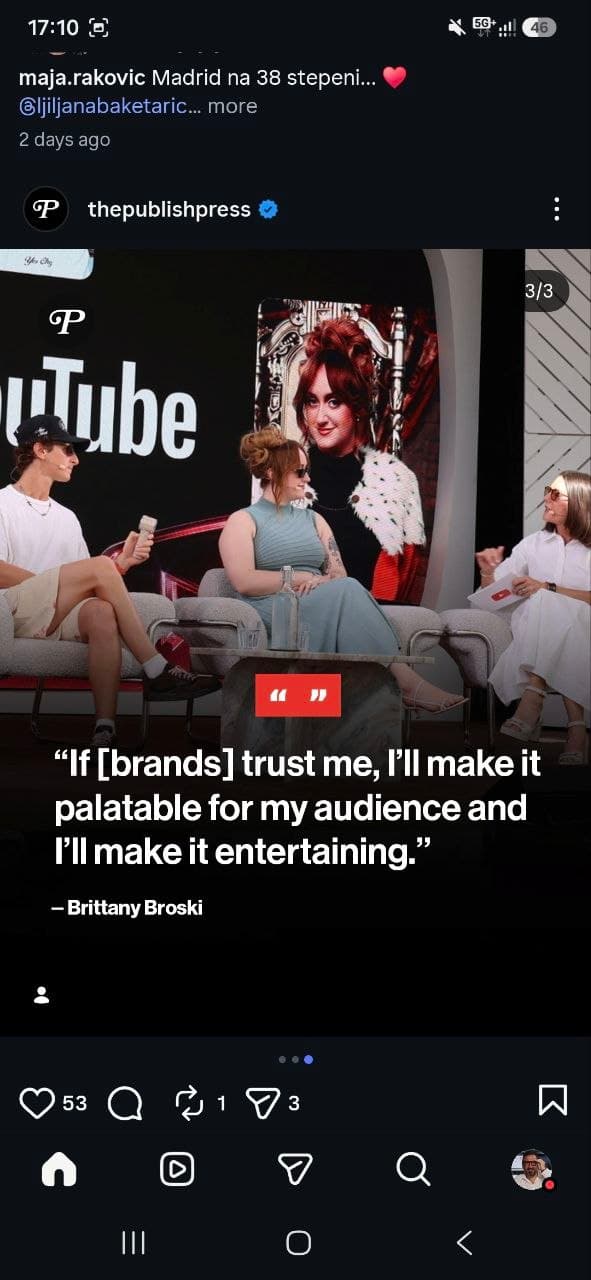
The Case for Long-Term Creator Partnerships: Cannes Lions Signals a Power Shift from Sponsorships to Strategic Alliances
At Cannes Lions 2024, the industry formally pivoted from short-term influencer sponsorships to long-term, human-centric creator partnerships, driven by consumer demand for authenticity and growing skepticism toward AI-generated content. **What happened:** The Cannes Lions...
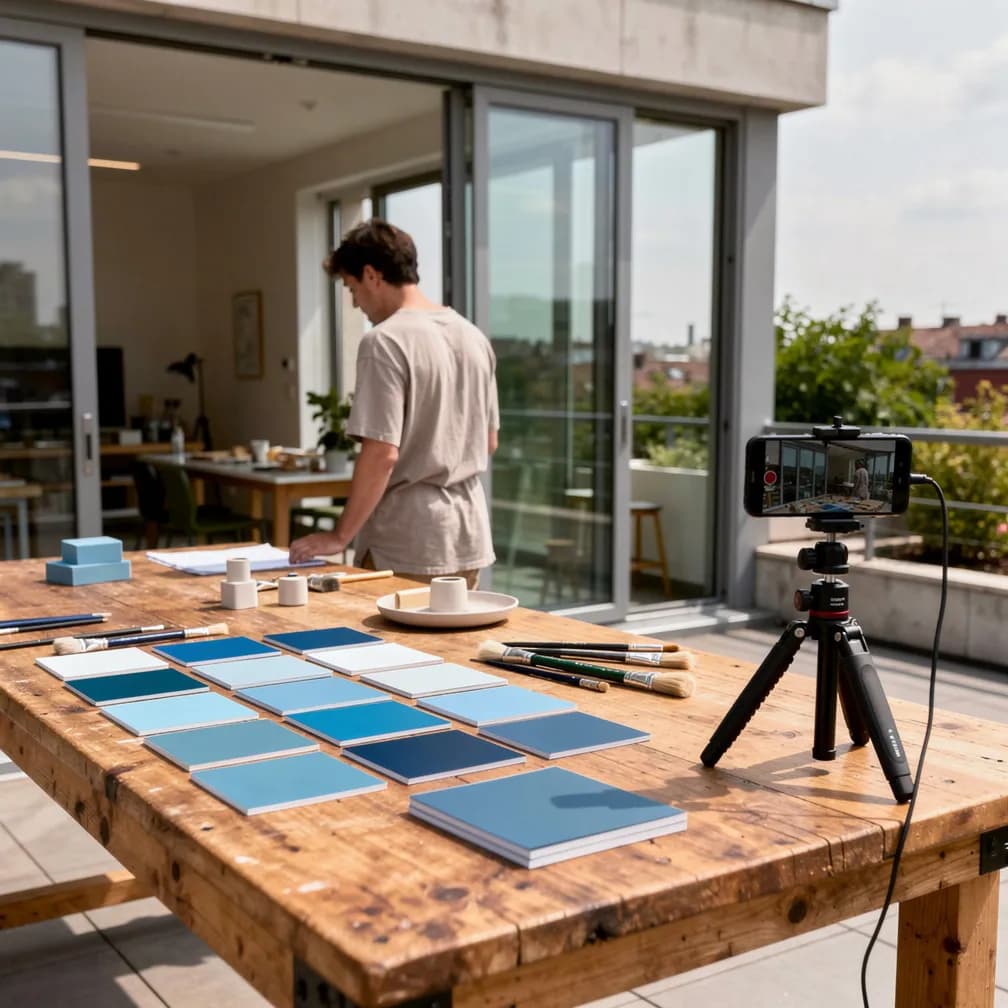
Lowe’s 'Creator: into the blue' program: A new retail pathway for social media innovators
Lowe’s "Creator: Into the Blue" program empowers social media creators to design and sell products through its retail pipeline. The initiative merges Lowe’s Creator Network with its product incubator, offering creators access to manufacturing and distribution resources.
Beast Industries: MrBeast's Expanding Business Empire
Beast Industries is expanding MrBeast's empire beyond content into a tech-driven creator marketplace. The company's talent acquisition and platform ambitions signal a major push into the influencer marketing economy.