

Report: 59% of videos on new tikTok accounts are 'AI slop,' drowning out human creators
New TikTok users face a flood of low-quality AI-generated videos, with 59% of initial recommendations being automated content. The problem is worst in kids' categories, where 97% of videos under #cartoonkids are AI-made.
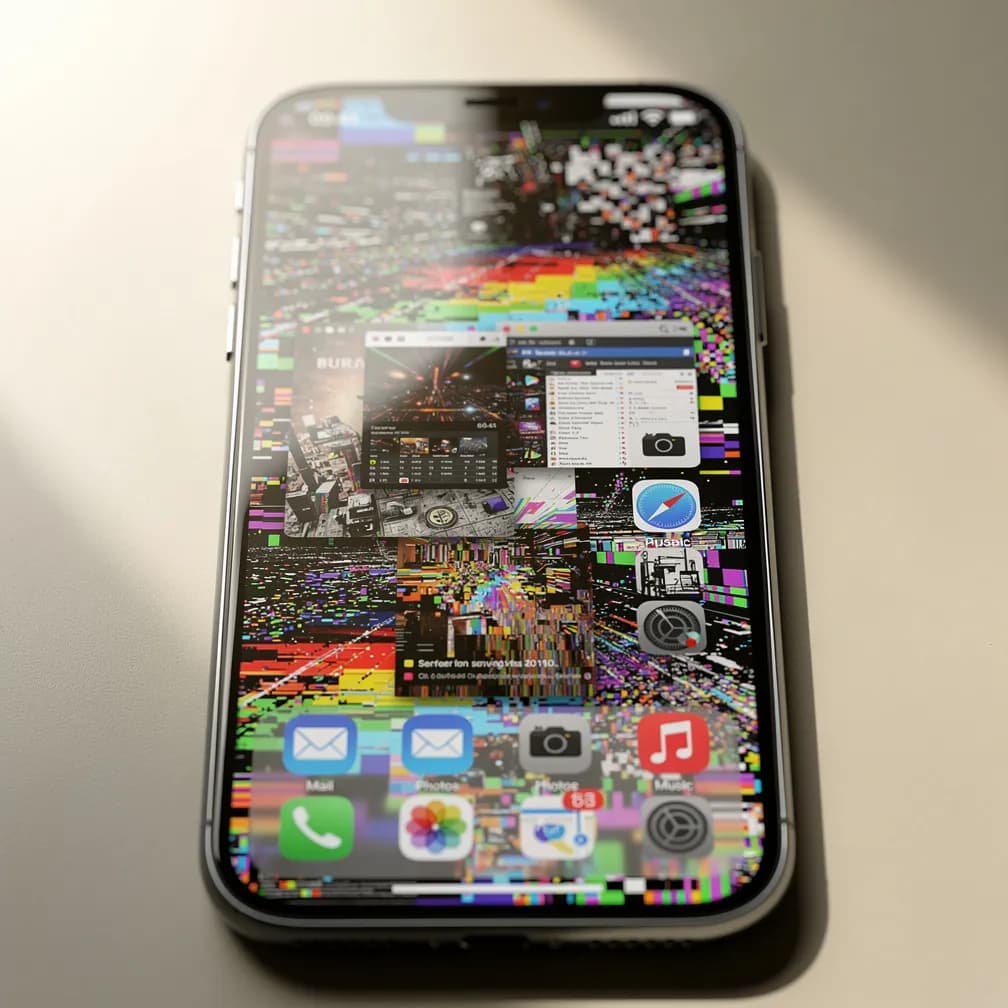
San Francisco, CA – New users joining TikTok are immediately met with a flood of low-quality, automated content, with a June 2026 report finding that 59% of videos recommended to fresh accounts are "AI slop." The study, conducted by video editing company Kapwing, reveals that TikTok's content ecosystem is nearly three times more saturated with such material than YouTube, where 21% of initial Shorts recommendations fell into the same category.
The findings raise concerns about user experience, the devaluation of human creativity, and brand safety. Kapwing’s report defines "AI slop" as "careless, low-quality content generated using automatic computer applications and distributed to farm views and subscriptions or sway political opinion." This content is a direct result of generative AI tools dramatically lowering the cost and effort needed to produce media in large volumes.
Children's Content Is the Most Saturated Category
The problem of AI-generated content is most severe in media aimed at children. The "Kids" category was found to be the most saturated, with a staggering 97% of videos under the #cartoonkids hashtag identified as AI-generated. Other children-focused tags also showed extremely high rates of automated content, including #cartoons (83%), #babysong (83%), and #forkids (79%).
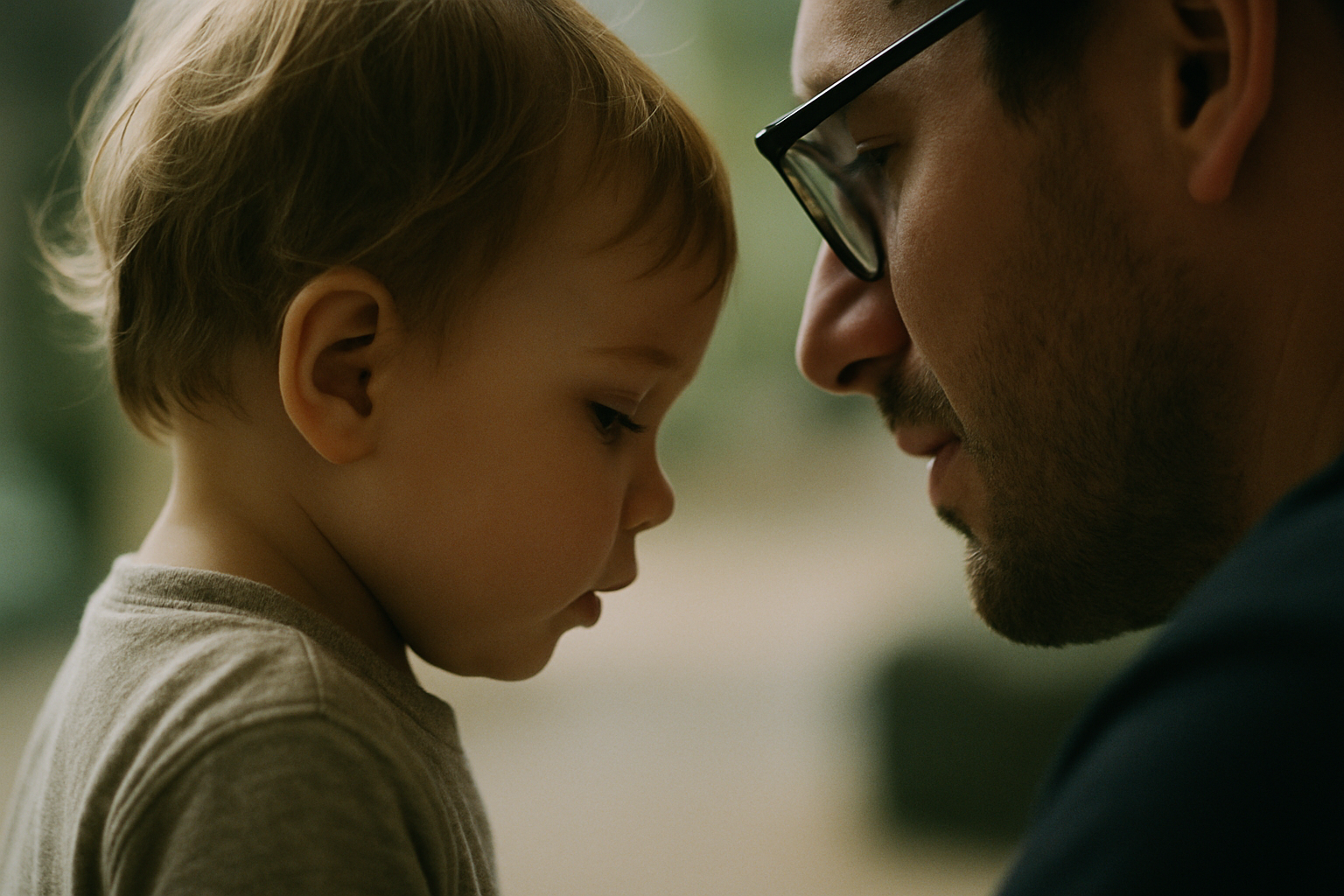
Dr. Dana Suskind, a professor of pediatrics at the University of Chicago, described the phenomenon as "toddler AI misinformation at an industrial scale." She warned of the potential negative consequences for children's cognitive development and their ability to develop digital literacy.
Beyond kids' content, categories where accuracy is critical also showed significant levels of AI material, including Science and Education (35%), Health (33.8%), and History (33.5%).
A "Vicious Cycle" Conditions New Users
According to the Kapwing report, AI slop has become the default first impression for new TikTok accounts before the platform's algorithm can learn a user's preferences. This initial exposure "conditions new users to treat synthetic media as normal." The report details how once a user interacts with AI-created videos, TikTok’s algorithm tends to serve even more of the same, trapping the user in a "vicious cycle" of low-quality content.

While TikTok implemented user controls in November 2025 to adjust the amount of AI content in feeds and had labeled 1.3 billion videos as AI-generated by that date, the report argues these "passive controls" have been ineffective at reducing the initial deluge. In comparison, YouTube announced plans in May 2026 to address its own "slop problem" by building detection systems, changing monetization policies, and adding more prominent AI labels.
Implications for Brands, Creators, and Regulators
The dominance of AI slop has significant consequences for the digital media landscape. For advertisers, the high volume of automated videos creates brand safety risks and questions the value of placing ads in feeds saturated with low-quality material.
For human creators, the challenge is existential. AI tools can generate a fully produced video—complete with visuals, voiceover, captions, and music—in under ten minutes. This encourages a focus on quantity, making it difficult for independent creators to compete, devaluing human creativity, and making it harder to earn a living.
The report's findings may also attract regulatory attention. The 59% AI-content default could be considered a systemic risk to information integrity under frameworks like the European Union (EU) Digital Services Act. The issue adds another layer to existing legal pressures on the company, such as the lawsuit filed against TikTok by Florida under its child social media law.
Experts caution that finding a solution is challenging. Henry Ajder, an advisor on AI, stated that it is "incredibly difficult" to completely remove AI slop from all feeds, comparing its pervasive nature to the smog from the industrial revolution. This suggests that even with platform controls, users and creators may find it challenging to escape the influence of automated content.
Sources46 · open list
- searchenginejournal.com
- 9to5mac.com
- kapwing.com
- aiweekly.co
- thenextweb.com
- startupfortune.com
- thenews.com.pk
- dailytimes.com.pk
- tomsguide.com
- futurism.com
- kapwing.com
- forbes.com
- avclub.com
- wikipedia.org
- framesurfer.com
- apnews.com
- 9to5mac.com
- kapwing.com
- searchenginejournal.com
- kapwing.com
- aiweekly.co
- startupfortune.com
- thenextweb.com
- tubefilter.com
- reddit.com
- wikipedia.org
- charityexcellence.co.uk
- libryo.com
- reddit.com
- moin.ai
- sciencealert.com
- dig.watch
- forbes.com
- thurrott.com
- forbes.com
- futurism.com
- tubefilter.com
- creatorhandbook.net
- simcoe.co.uk
- medium.com
- hcpl.net
- wetransfer.com
- hbs.edu
- thepostathens.com
- futurism.com
- thecurrent.com
Related
Gymshark sued for allegedly directing influencers to hide ads and exclusivity deals
Gymshark faces a class-action lawsuit for allegedly directing influencers to hide paid partnerships and exclusivity deals, misleading consumers into believing endorsements were organic. The complaint claims these undisclosed practices artificially inflated the brand's value and p...
Niche YouTube creators: emerging power players in AI-Driven discovery
Niche YouTube creators are gaining influence as AI chatbots increasingly cite their detailed, long-form videos, reshaping content discovery. Their rise sparks debates over copyright and monetization as platforms like YouTube integrate AI tools.
VidCon 2026 Highlights Creator Economy's Evolution: Equity Deals, AI Infrastructure, and Global Expansion
VidCon 2026 marked a turning point as creators increasingly secure equity stakes in brands, AI becomes foundational infrastructure, and global markets reshape the industry, with the creator economy projected to exceed $1.3 trillion by 2033. ## What Happened VidCon 2026, celebra...