

Gymshark sued for allegedly directing influencers to hide ads and exclusivity deals
Gymshark faces a class-action lawsuit for allegedly directing influencers to hide paid partnerships and exclusivity deals, misleading consumers into believing endorsements were organic. The complaint claims these undisclosed practices artificially inflated the brand's value and p...
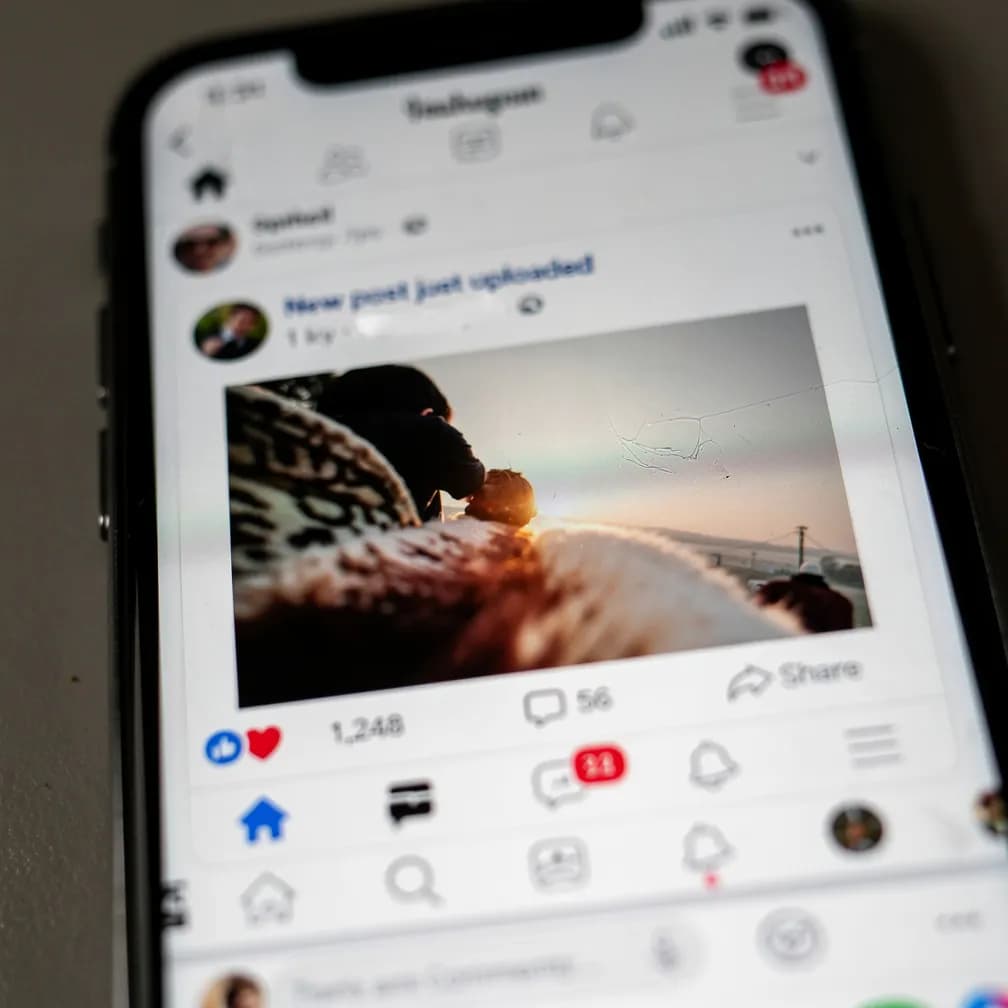
A class-action lawsuit filed against fitness apparel brand Gymshark alleges the company orchestrated a sophisticated deceptive marketing scheme by instructing influencers to conceal their paid partnerships and failing to disclose restrictive exclusivity clauses. The complaint, filed in the Southern District of New York, claims these practices misled consumers into believing endorsements were organic, thereby artificially inflating the brand's value and the price of its products.
The proposed class-action, Lupea v. Gymshark USA, Inc., was filed on June 16, 2026, by Florida resident Mihaela Lupea. The lawsuit contends that Gymshark engaged in a "large-scale deceptive marketing campaign" across platforms like Instagram, YouTube, and TikTok.
According to the complaint, the company actively encouraged its creators to post content without clear financial disclosures. When disclosures were made, they were allegedly often obscured by being buried in long captions or placed below the "see more" fold, making them inconspicuous and non-compliant with Federal Trade Commission (FTC) guidelines.

The lawsuit argues that this alleged deception allowed Gymshark to charge a "price premium," as consumers were led to believe the brand's popularity was based on genuine, unpaid recommendations. The plaintiff is seeking damages, restitution, disgorgement, and punitive damages for a proposed class of U.S. and Canadian consumers who bought Gymshark products after being exposed to the marketing practices in question.
A central and particularly complex allegation involves undisclosed exclusivity clauses. The complaint asserts that Gymshark contractually barred its influencers from promoting rival brands, but this restriction was not disclosed to the public. This, the lawsuit argues, created a false impression that influencers were choosing Gymshark over competitors based on merit alone, rather than a contractual obligation.
This specific claim places Gymshark in what the lawsuit describes as a "difficult position." In early 2025, Gymshark itself took legal action in London's High Court to enforce a non-compete restriction against a former ambassador, Nathaniel Massiah, who had started working with a competing brand. That case affirmed the existence and enforceability of the very exclusivity terms that the current lawsuit accuses Gymshark of concealing from consumers.
Furthermore, the complaint suggests that Gymshark's alleged strategy may have leveraged social media algorithms to its advantage. The lawsuit posits that undisclosed endorsements could have received greater visibility and engagement compared to posts clearly marked as advertisements, thereby amplifying the reach of the allegedly deceptive content and further distorting consumer perceptions.
The case underscores the growing legal scrutiny of influencer marketing and brands' responsibility to ensure compliance with disclosure rules. The FTC mandates that any "material connections" between an endorser and a brand must be clearly and conspicuously disclosed.
As of late June 2026, Gymshark had not issued a public response to the allegations. The outcome of Lupea v. Gymshark USA, Inc. could establish a significant precedent for transparency standards in influencer partnerships across the digital marketing industry.
Related
Report: 59% of videos on new tikTok accounts are 'AI slop,' drowning out human creators
New TikTok users face a flood of low-quality AI-generated videos, with 59% of initial recommendations being automated content. The problem is worst in kids' categories, where 97% of videos under #cartoonkids are AI-made.
Niche YouTube creators: emerging power players in AI-Driven discovery
Niche YouTube creators are gaining influence as AI chatbots increasingly cite their detailed, long-form videos, reshaping content discovery. Their rise sparks debates over copyright and monetization as platforms like YouTube integrate AI tools.
VidCon 2026 Highlights Creator Economy's Evolution: Equity Deals, AI Infrastructure, and Global Expansion
VidCon 2026 marked a turning point as creators increasingly secure equity stakes in brands, AI becomes foundational infrastructure, and global markets reshape the industry, with the creator economy projected to exceed $1.3 trillion by 2033. ## What Happened VidCon 2026, celebra...