

VidCon 2026 Embraces AI and Community Management as Creator Economy Evolves
The creator economy is shifting from attention-based models to ownership-driven businesses, with community management emerging as critical infrastructure and VidCon 2026 reflecting this transformation through AI tools and monetization platforms. ## What Happened The creator eco...
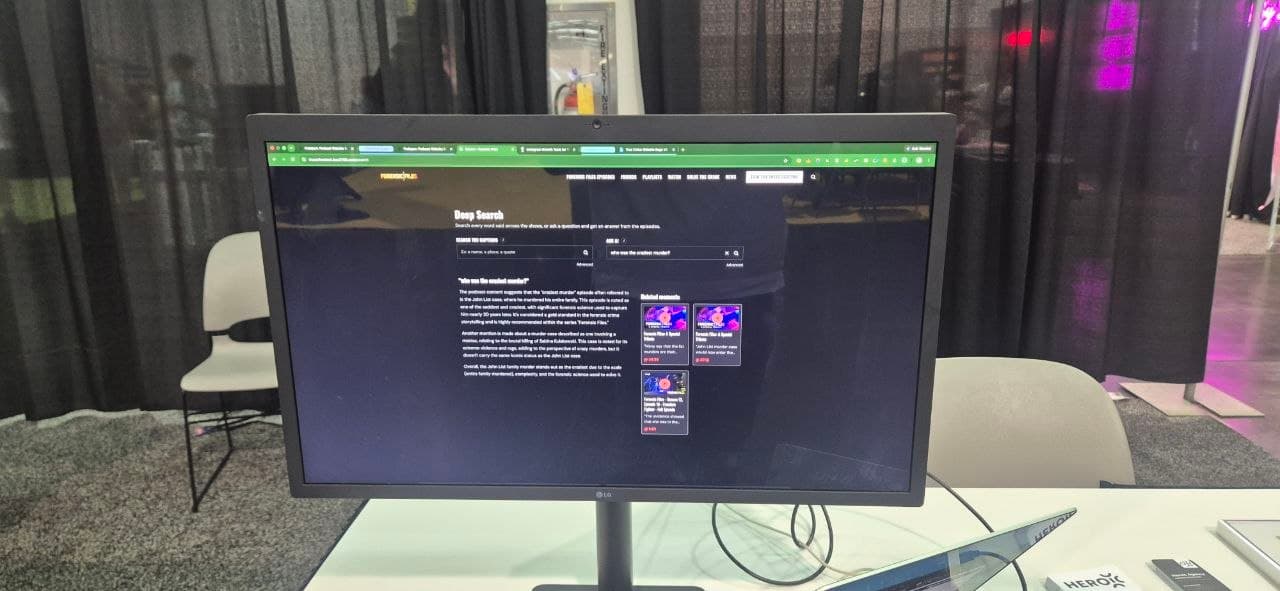
The creator economy is shifting from attention-based models to ownership-driven businesses, with community management emerging as critical infrastructure and VidCon 2026 reflecting this transformation through AI tools and monetization platforms.
What Happened
The creator economy is undergoing a fundamental transformation, moving its focus from fleeting attention to a model centered on ownership and sustainable business. Community management has ascended from a supplementary function to a critical operational layer for creators now increasingly seen as "creator-operators." This shift is underscored by a projected $2.3 billion in global spending on community platforms by 2033, reflecting broader industry recognition of engaged communities as strategic business engines.
The specific projection of $2.3 billion refers to global spending on community platforms, expected to rise from $736.9 million in 2025 to $2.3 billion by 2033. However, the overall market size for community platforms is considerably larger, with estimates placing the global Community Platform market at $2.98 billion in 2024, projected to grow to $8.36 billion by 2033 with a Compound Annual Growth Rate (CAGR) of 13.2%.
Other segments, like the online community platform market, are projected to reach $6.13 billion by 2033, and social community software could hit $12.5 billion by the same year.
VidCon Anaheim 2026, celebrating its 15th anniversary, is moving beyond its traditional focus on fan engagement to emphasize business fundamentals for creators. The convention's title sponsorship by POP.STORE, a creator monetization platform, and the unveiling of its agentic AI commerce platform, ECHO-ME, signal a clear shift towards showcasing practical infrastructure solutions.
ECHO-ME is designed to help creators manage their businesses autonomously, with AI agents for social engagement, content creation, deal monitoring, and automated sales. Initiatives like the "Brand Match Accelerator" and an AI-powered matchmaking app further formalize connections between creators, brands, and agencies, treating creators as the "small companies" they are becoming.
Why It Matters
Artificial intelligence is becoming an embedded operating layer that enhances community management rather than replacing human interaction. A striking 90% of community managers already leverage AI tools for tasks like text optimization and content creation, significantly reducing administrative burdens and freeing them to focus on genuine relationship building.
This integration allows creators to scale their operations without sacrificing authentic connection, a vital component in an ownership economy where direct audience relationships are paramount.
The professionalization of the creator economy brings the significant challenge of creator burnout. A staggering 63% of full-time creators reported experiencing burnout in the past 12 months, with some reports indicating 79% of YouTube creators faced it in 2023.
This is driven by the constant pressure to produce, perform, and manage multiple business facets. The shift towards an "ownership economy" directly addresses this by encouraging creators to diversify revenue streams beyond platform monetization and brand deals, exploring models like subscriptions and digital products.
The consolidation of community tools into unified platforms that combine content delivery, e-commerce, and communication also aims to streamline operations and alleviate the mental load on creators.
Who Is Involved
VidCon is the premier global convention for digital creators, with its 2026 event emphasizing scalable growth, diversified revenue, and robust creator infrastructure, including advanced AI tools. POP.STORE, a creator monetization platform, serves as the title sponsor and unveiled its agentic AI commerce platform, ECHO-ME.
Platforms like Meta are reintroducing AI-powered tools, such as the revamped Creator Studio, to assist creators with content management, audience engagement, and performance tracking.
Agencies like Heroic Agency are actively building underlying digital infrastructure for creators and brands, aligning with the industry's consolidation phase where creator agencies are being acquired by consulting firms. This signifies that creator work is now considered core marketing infrastructure.
Creator Economy Angle
Creators are becoming companies, and community management is their operational backbone. The $2.3 billion projection for community platform spending by 2033 reflects that engaged communities are now viewed as strategic business engines rather than optional add-ons.
The creator economy is projected to reach $480 billion by 2027 and potentially surpass $800 billion by the early 2030s, making investment in community tools a strategic imperative for creators aiming for long-term viability.
The 63% burnout rate among full-time creators underscores the need for infrastructure that reduces operational burden. The shift toward an ownership economy encourages creators to diversify revenue streams beyond platform monetization and brand deals, exploring models like subscriptions and digital products.
VidCon 2026's focus on business fundamentals, including the "Brand Match Accelerator" and AI-powered matchmaking, formalizes connections between creators, brands, and agencies, treating creators as the small companies they are becoming.
Business Angle
The community platform market represents a rapidly expanding sector with multiple segments showing strong growth. The global Community Platform market at $2.98 billion in 2024 is projected to grow to $8.36 billion by 2033 with a CAGR of 13.2%. The online community platform market could reach $6.13 billion by 2033, and social community software could hit $12.5 billion by the same year.
This nuanced view reveals significant investment opportunities across the ecosystem.
The consolidation of creator agencies being acquired by consulting firms indicates that creator work is now considered core marketing infrastructure. As AI infrastructure scales, a parallel challenge emerges: increasing public scrutiny and community backlash over issues like water use and power rates for data centers.
This suggests that a "community-first" approach will be crucial for all infrastructure providers, including those serving creators, to build trust and ensure long-term viability.
Olympus Tech Angle
The integration of AI as an embedded operating layer for community management aligns with the thesis that AI is becoming infrastructure. The 90% of community managers already using AI tools for text optimization and content creation demonstrates that AI is not replacing human interaction but enhancing it.
Platforms like ECHO-ME, with AI agents for social engagement, content creation, deal monitoring, and automated sales, represent the next wave of creator infrastructure where AI handles operational complexity while humans focus on relationship building.
What to Watch Next
Watch for further consolidation of community tools into unified platforms that combine content delivery, e-commerce, and communication. The success of VidCon 2026's infrastructure-focused approach, including the "Brand Match Accelerator" and AI-powered matchmaking, will signal whether the industry is ready to treat creators as small companies requiring enterprise-grade tools.
Monitor how platforms like Meta's revamped Creator Studio evolve to incorporate AI-powered community management features. Also watch for how infrastructure providers address the growing public scrutiny over data center resource use, as a "community-first" approach becomes essential for building trust in the creator economy ecosystem.
Related
Niche YouTube creators: emerging power players in AI-Driven discovery
Niche YouTube creators are gaining influence as AI chatbots increasingly cite their detailed, long-form videos, reshaping content discovery. Their rise sparks debates over copyright and monetization as platforms like YouTube integrate AI tools.
The Case for Long-Term Creator Partnerships: Cannes Lions Signals a Power Shift from Sponsorships to Strategic Alliances
## 2) One-Sentence Summary The Cannes Lions International Festival of Creativity has formally recognized creators as strategic business partners, moving the industry from one-off sponsorships to sustained alliances that yield higher engagement, lower costs, and a new wave of crea...
VidCon 2026 Marks 15 Years as Creators Move From Sponsorships to Equity Stakes and Global Expansion
One-sentence summary: VidCon 2026 reveals a creator economy where mid-tier creators now secure equity stakes in brands, diversification of income is a survival strategy, AI becomes infrastructure, and global audiences from over 45 countries shift the industry’s center of gravity....